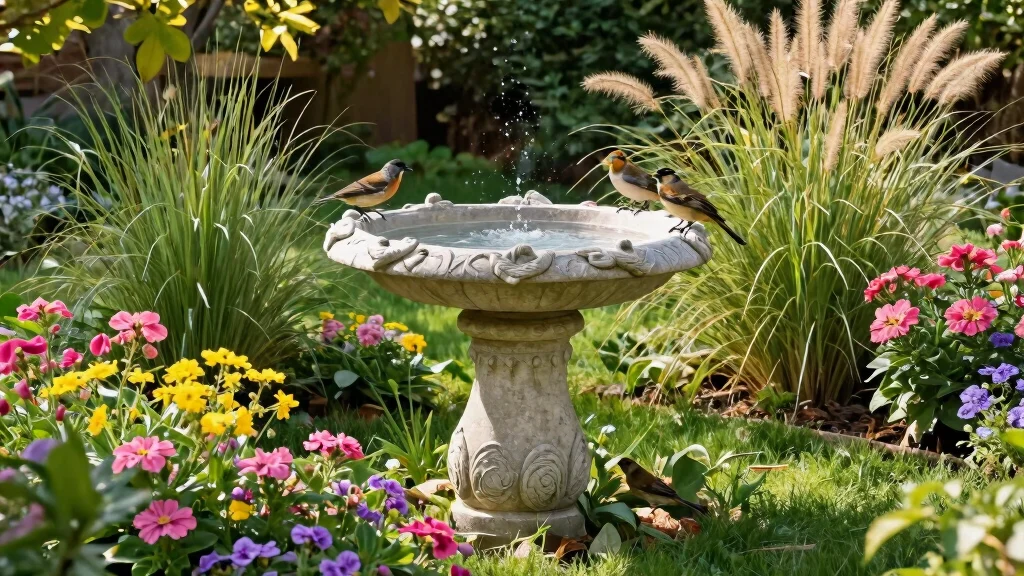
Building a bird bath is one of the most delightful projects for any garden enthusiast. It brings tranquility and beauty to your outdoor space while providing a refreshing oasis for our feathered friends. But to create a bird bath that not only looks great but also stands the test of time, choosing the right materials is crucial. That’s why I put together this post on the best cement for bird bath projects. With the right tips, you can craft a stunning and functional piece that enhances your garden.
If you’re someone who enjoys DIY projects and loves nature, this guide is for you. You might be a beginner or someone looking to refine your skills, but either way, you’ll find useful insights here. I’ve gathered seven pro tips that will help you select the right cement, mix it properly, and ensure your bird bath is a safe and inviting spot for birds. Plus, I’ll cover important aspects like design, drainage, and maintenance, so you feel confident in your project from start to finish.
By the end of this guide, you’ll have the knowledge to create a beautiful outdoor bird bath that attracts wildlife while complementing your garden. With practical advice and clear steps, you’ll be equipped to turn your vision into reality. Let’s dive into the essential tips you need for your bird bath project!
Key Takeaways
– Choose high-quality cement to ensure durability and weather resistance; look for products specifically designed for outdoor use.
– Mixing your cement properly is crucial; follow the manufacturer’s instructions to achieve the right consistency for your bird bath.
– Adding sand can enhance texture and reduce cracking, creating a more attractive finish that blends with natural surroundings.
– Use molds to experiment with unique designs—this can help your bird bath truly stand out in your garden.
– Regular maintenance is essential; keep your bird bath clean and check for any wear or damage to prolong its life and usability.
1. Choose High-Quality Cement
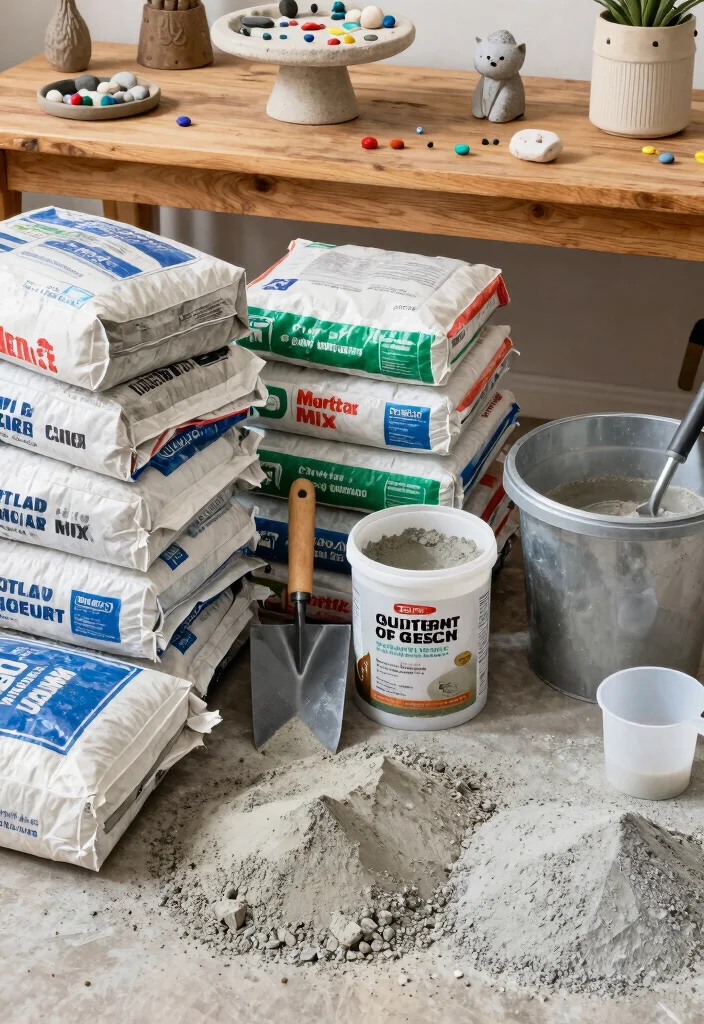
Choosing the right cement is essential for building a sturdy bird bath. You want a type that not only looks great but stands up to rain and sun. Look for options like waterproof cement or specialized concrete mixes. These materials help avoid cracks and keep your bird bath vibrant for years to come.
Start by choosing a blend that suits your climate and design needs. Consider Portland cement for strong bases, or a mortar mix for intricate features. Quick-setting cement is perfect if you’re eager to complete your project fast.
Key types of cement to consider:
– Portland Cement: Ideal for strong, durable bases.
– Mortar Mix: Best for detailed designs and textures.
– Quick-Setting Cement: Great for swift projects without long wait times.
Investing in quality cement pays off, ensuring your bird bath remains beautiful and functional despite the elements.
Fun fact: the best cement for bird bath can last 5–10 years with proper sealing and a waterproof mix. Use Portland cement for a strong base or a mortar mix for decorative features to keep cracks at bay and colors vibrant season after season.
2. Mix Your Cement Properly
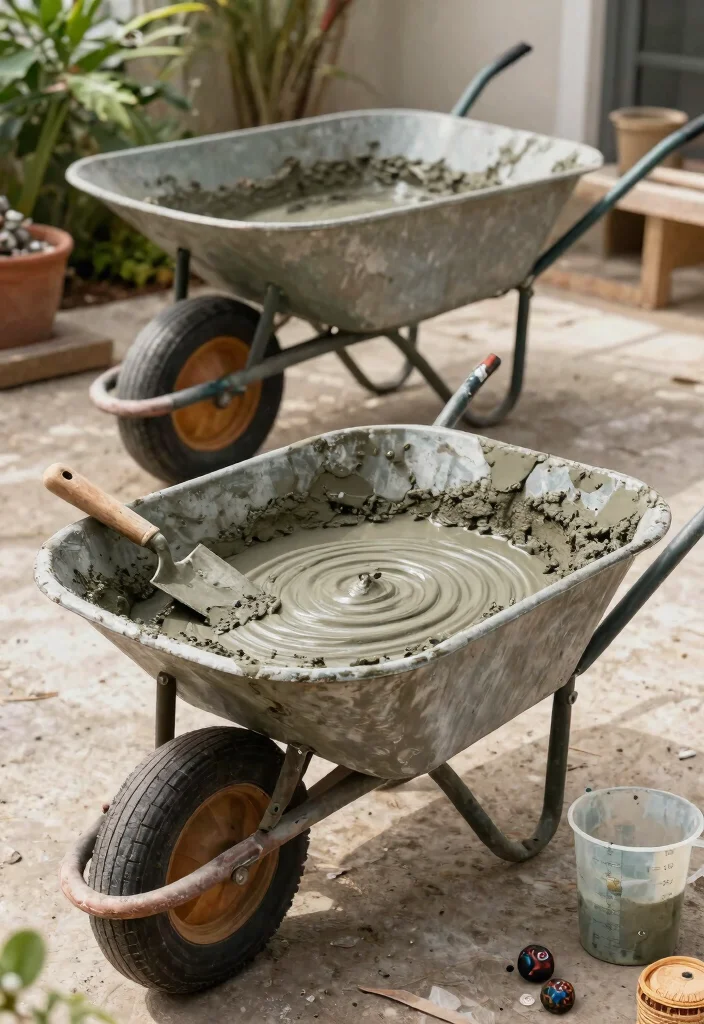
Mixing cement correctly is crucial for a successful bird bath project. It may seem straightforward, but the right water-to-cement ratio can make all the difference. Follow the instructions on the bag closely; too much water weakens the mix, while too little makes it hard to work with.
For the best results, use clean water and a suitable mixing container. Adding sand or gravel can improve texture and strength, especially for decorative elements.
Mixing tips to keep in mind:
– Use clean, cool water for ideal consistency.
– Mix in a large bucket if working on a bigger project.
– Add sand or gravel to enhance texture and strength.
Once your mix is ready, pour it quickly into your mold. A trowel can help you achieve a smooth, polished finish that adds to the bath’s charm.
3. Consider Adding Sand for Texture
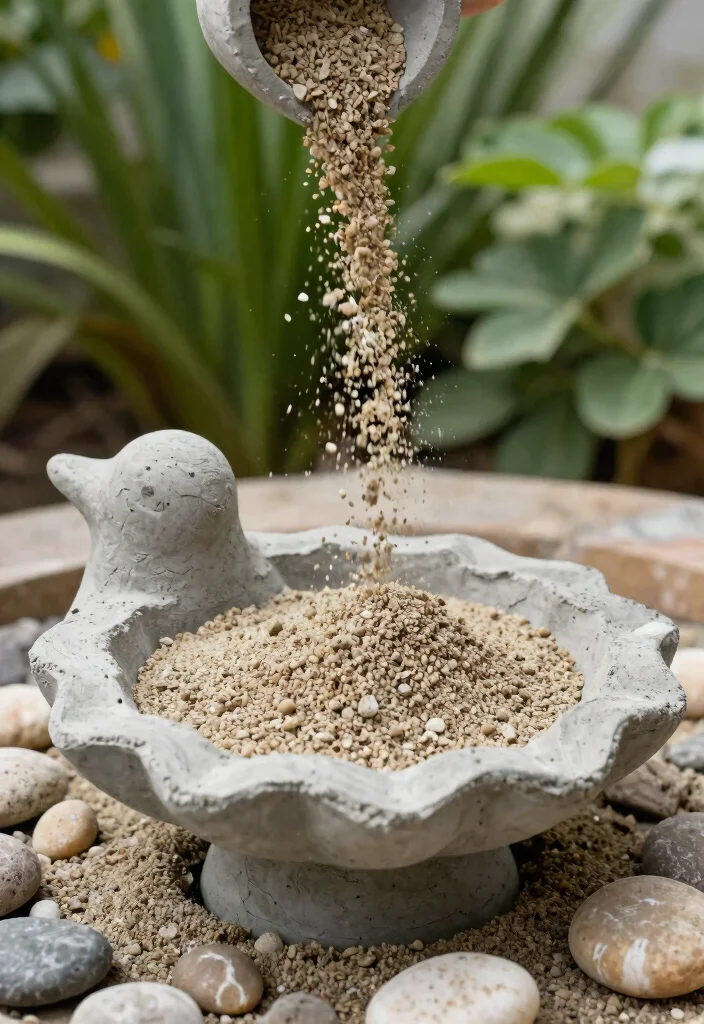
Incorporating sand into your cement mix brings both strength and aesthetic appeal to your bird bath. This addition not only enhances the durability but also creates a textured surface that helps birds grip as they bathe. A rougher finish can prevent slips, making it safer for your feathered friends.
To achieve this, mix sand in the right ratio with your cement. Clean sand ensures a high-quality finish, and adding decorative stones can elevate the design.
Here’s how to mix sand effectively:
– Combine one part sand with three parts cement for a sturdy blend.
– Ensure the sand is clean and free of debris.
– Add pebbles for extra charm and visual interest.
This simple addition transforms your bird bath into a beautiful focal point in your garden while enhancing its functionality.
Fun fact: Adding sand to your cement mix can boost grip for birds by up to 40% and create a safer, textured surface. For the best cement for bird bath, use clean sand and a balanced mix, then finish with decorative stones for style.
4. Use Molds for Unique Designs
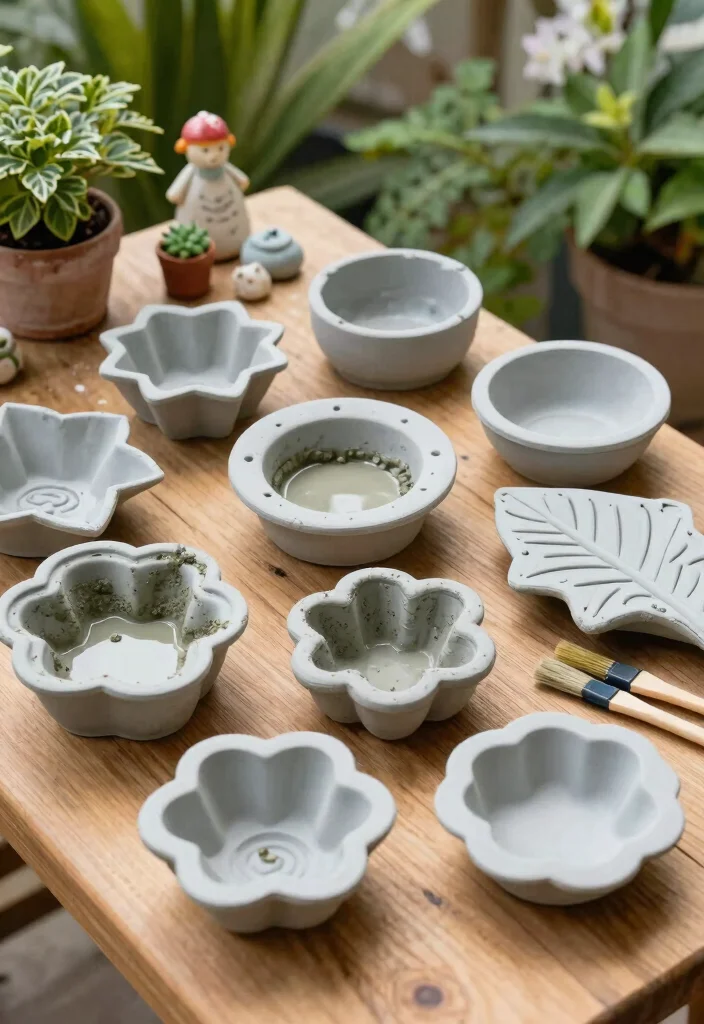
Molds can help you create a stunning bird bath that stands out in your garden. With many options available, including DIY molds, you can craft intricate designs that add character to your outdoor space. Using molds opens up endless possibilities for creativity and personalization.
To make the most of molds, try layering techniques and experiment with various shapes. Natural-inspired designs can bring a unique touch to your bath.
Tips for using molds effectively:
– Apply vegetable oil to prevent sticking during removal.
– Experiment with layered designs for depth and detail.
– Choose nature-inspired molds for an organic feel.
Your bird bath can become a centerpiece that attracts admiration and enhances your garden’s beauty.
5. Design for Drainage
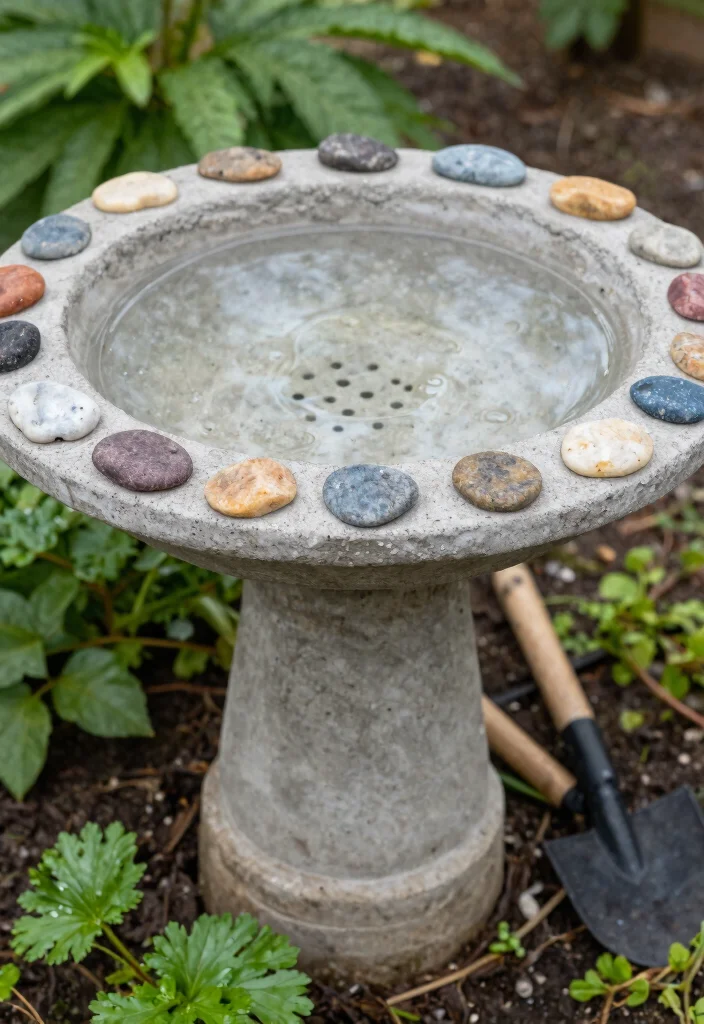
Proper drainage is vital for a healthy bird bath that stays clean and inviting. Without it, water can stagnate, leading to algae growth and an unappealing appearance. Designing your bird bath with effective drainage ensures fresh water and easy maintenance.
Incorporate a slight slope or small holes at the base to facilitate water flow. Regularly emptying and refilling the bath keeps it clean and ready for birds.
Essential drainage tips:
– Drill small holes underneath for efficient drainage.
– Use decorative stones around the edges to encourage water flow.
– Change the water frequently to keep it fresh and inviting.
These simple adjustments can significantly improve both the functionality and visual appeal of your bird bath.
Did you know that 70% of bird baths clog with algae without proper drainage? A slight slope and small holes at the base keep water circulating and easy to maintain—the best cement for bird bath shines when it drains well.
Ongoing Maintenance & Care Guide
Maintenance Schedule:
Daily/Weekly Tasks:
– Check Water Levels: Ensure the water in your bird bath is full enough for birds to drink and bathe. This should take about 5 minutes each day.
– Clean Debris: Remove leaves, twigs, and any debris from the surface. This prevents contamination and takes around 10 minutes.
– Inspect for Cracks: Look for any signs of cracks or damage. This can be done in just a few minutes but is crucial for maintaining the structure.
– Change Water Weekly: Fresh water is vital for birds’ health. Drain and refill your bird bath to keep it clean, which will take about 15 minutes.
Monthly/Seasonal Tasks:
– Deep Clean: Use a gentle scrub brush to clean the bird bath. Remove algae and grime using a mixture of vinegar and water. This takes about 30 minutes.
– Inspect and Reapply Sealant: Depending on your climate, you may need to check the sealant on the cement. Reapply if needed to prevent water damage. This could take up to an hour.
– Check for Structural Integrity: Look for any major cracks or wear in the cement. If found, plan for repairs. This inspection takes about 20 minutes.
– Monitor for Algae Growth: During warmer months, watch for algae and treat it accordingly. This might require about 15 minutes.
– Prep for Winter: If you live in a cold climate, prepare your bird bath for winter by draining it and storing it in a sheltered location. This process might take around 30 minutes.
Maintenance Summary Table:
| Task | Frequency | Difficulty | Time Needed |
|——————————-|—————-|————|—————|
| Check Water Levels | Daily | Easy | 5 minutes |
| Clean Debris | Daily | Easy | 10 minutes |
| Inspect for Cracks | Daily | Easy | 5 minutes |
| Change Water | Weekly | Easy | 15 minutes |
| Deep Clean | Monthly | Moderate | 30 minutes |
| Inspect and Reapply Sealant | Monthly | Moderate | 1 hour |
| Check for Structural Integrity | Monthly | Moderate | 20 minutes |
| Monitor for Algae Growth | Monthly | Easy | 15 minutes |
| Prep for Winter | Seasonal | Moderate | 30 minutes |
Common Issues to Watch For:
⚠️ Cracks in the Cement: Check for fissures that can lead to leaks. This indicates wear and could mean it needs repair.
⚠️ Algae Build-Up: If you see green or slimy growth, it could harm the birds. Regular cleaning helps prevent this issue.
⚠️ Water Level Drops Quickly: If water levels seem to drop too fast, it can signal leaks or evaporation. Investigate for cracks or drainage issues.
⚠️ Odors or Discoloration: Unpleasant smells can indicate stagnant water. A deep clean is needed to restore freshness.
⚠️ Birds Avoiding the Bath: If you notice fewer birds visiting, check the cleanliness and water levels. They prefer clean, fresh water.
Care Tips:
💡 Use a Mild Cleaning Solution: When cleaning, always use a bird-safe solution. Vinegar and water are great options.
💡 Provide Shade: If possible, place your bird bath in a shaded area to keep the water cool and reduce algae growth.
💡 Regular Check-Ups: Make it a habit to inspect your bird bath weekly. Early detection of issues saves time and effort later.
💡 Encourage Bird Visits: Add stones or pebbles to the bottom for perches. Birds like to have a spot to land while they drink or bathe.
💡 Winter Care: In colder months, consider using a bird bath heater. It keeps the water from freezing, ensuring birds have access to it.
By following this guide, you’ll ensure your bird bath remains a safe and inviting place for our feathered friends while keeping maintenance manageable and straightforward.
6. Finish with Sealant
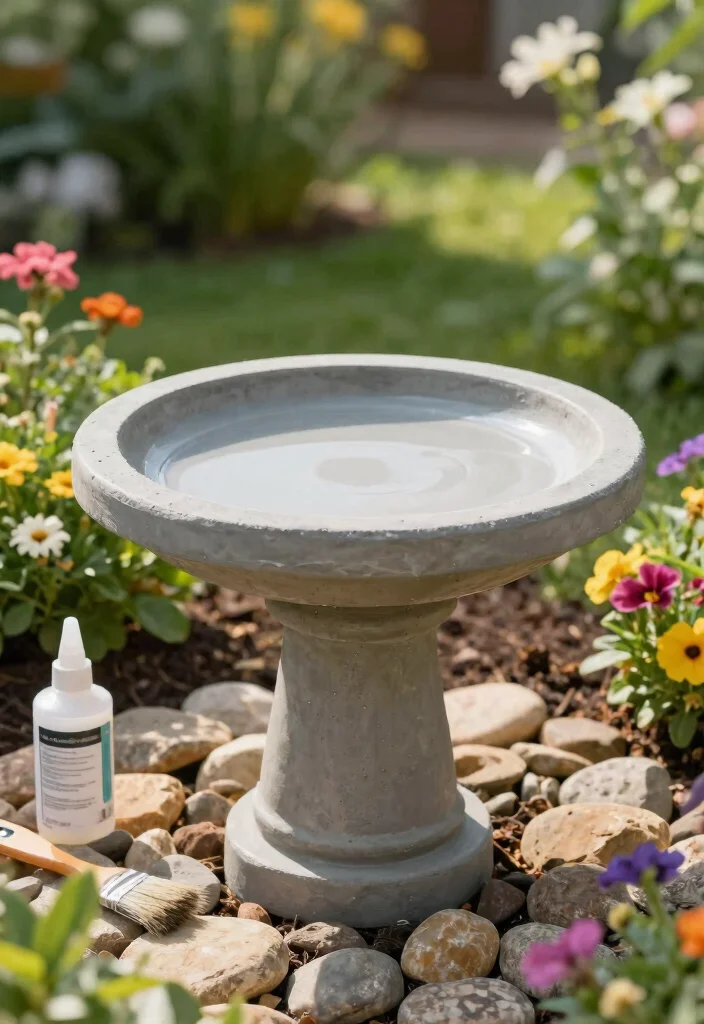
Applying a sealant is a crucial final step to protect your bird bath from the elements. This barrier prevents water damage and enhances the beauty of your cement, making it visually appealing and long-lasting.
Choose a sealant specifically designed for outdoor use and follow application instructions carefully. This final touch can significantly improve the durability and aesthetics of your creation.
Steps to apply sealant effectively:
– Select an outdoor sealant meant for cement surfaces.
– Apply evenly with a brush or spray for best results.
– Allow it to cure as directed before placing in your garden.
This protective layer not only enhances the look of your bird bath but also ensures it stands the test of time.
7. Regular Maintenance is Key
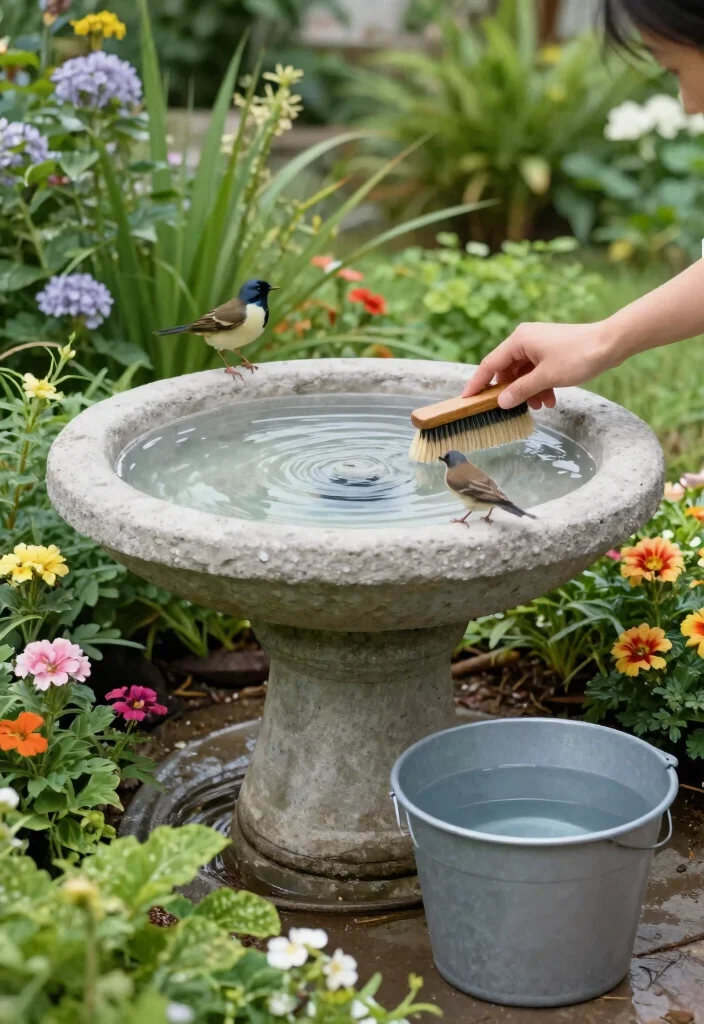
Keeping your bird bath in excellent shape requires regular maintenance. Periodically check for cracks or chips, and repair them promptly to ensure the bath remains functional. Regularly changing the water is essential, especially in hot months when birds seek cooling spots.
Simple maintenance steps can help you keep your bird bath inviting for your feathered friends. A clean and well-maintained bath encourages birds to visit frequently.
Maintenance tips to remember:
– Scrub with a gentle brush to remove algae and debris.
– Rinse thoroughly and refill with fresh water often.
– Move to a shaded area during extreme heat to reduce evaporation.
By following these easy steps, your bird bath will remain a beautiful sanctuary for birds, adding charm to your garden.
Conclusion
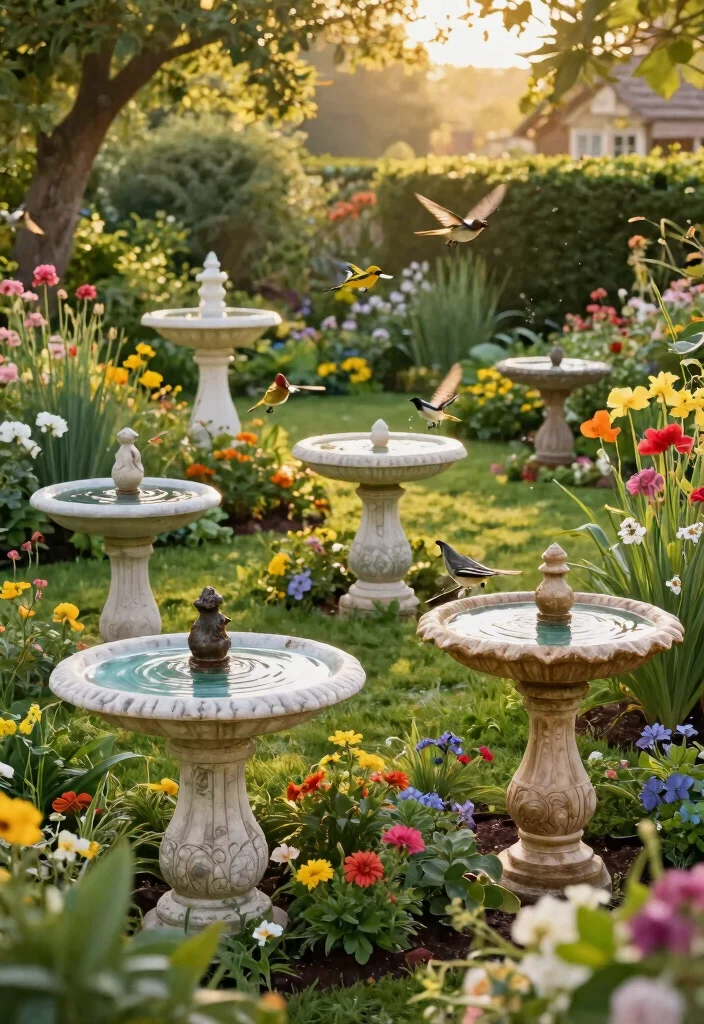
Building a bird bath from cement can be a fun and rewarding project that enhances your garden while providing a sanctuary for birds.
By following these pro tips, you create a stunning outdoor feature that attracts wildlife and complements your landscaping beautifully. So, gather your tools, choose your materials wisely, and watch as your garden transforms into a lively haven for feathered friends. Let’s get crafting!
Note: We aim to provide accurate product links, but some may occasionally expire or become unavailable. If this happens, please search directly on Amazon for the product or a suitable alternative.
This post contains Amazon affiliate links, meaning we may earn a small commission if you purchase through our links, at no extra cost to you.
Frequently Asked Questions
What is the best cement for bird bath projects and why?
The best cement for bird bath projects is a Portland cement outdoor concrete mix (often labeled Type I/II) used with hydrated lime to improve workability and reduce cracking. For a smooth interior, use a fine aggregate like river sand in a 1:2 ratio (cement to sand) with a touch of fine gravel if needed. Always cure thoroughly for about 28 days, keep the surface moist during curing, and seal with a non-toxic penetrating sealer safe for birds to protect against weather and algae. This setup yields a durable outdoor bird bath that lasts and stays safe for visiting birds.
Tip: follow the manufacturer instructions on mixing ratios and curing, and test a small sample first if you are new to DIY bird bath projects.
What are good bird bath materials to pair with a cement basin for an outdoor bird bath?
Pair your cement basin with a sturdy stand (metal, stone, or treated wood) for an outdoor bird bath. In terms of bird bath materials, keep things weather resistant and bird-safe. For DIY bird bath ideas, you can add a mosaic rim or decorative tile accents using outdoor-safe, non-toxic adhesives. Make sure the interior is shallow enough for birds and that the finish is non-toxic. A good combo blends durability with style and keeps maintenance manageable.
Also check that the stand is level and securely anchored so birds feel safe landing.
How do I maintain and clean a cement outdoor bird bath to keep it bird-friendly?
Keep the water fresh by changing it daily and cleaning the bowl weekly with a soft brush and mild soap. Rinse well and let dry before refilling. Avoid chlorine bleach and harsh cleaners that could harm birds. For cement surfaces, inspect for cracks and reseal with a non-toxic penetrating sealer after curing. Regular maintenance prevents algae build-up and keeps your outdoor bird bath inviting for visiting birds.
Routine upkeep is a key part of bird bath maintenance.
How can I prevent cracks and extend the life of a cement bird bath during a DIY project?
Cracking is common if concrete dries too fast or freezes with water inside. Cure slowly: keep the form moist for the first week, then mist the surface during the next 2-3 weeks. Use a light reinforcement like mesh inside tall walls if your design requires it, and place the bath on a level, stable base to avoid stress. After curing, apply a non-toxic penetrating sealer to reduce water absorption and stress. Proper curing and a solid base are your best defenses in a DIY cement bird bath.
Following these steps helps your cement bird bath stand up to the elements for years.
What are some easy cement bird bath ideas for beginners and DIY tips?
Beginner friendly cement bird bath ideas include a simple round basin on a pedestal, a shallow dish with a broad rim, or a mosaic-edged bowl. For cement bird bath ideas, stamp textures into the wet cement or press leaves for natural patterns. After curing, finish with an outdoor-safe sealant and optional color using outdoor-safe paints. Pair with a sturdy stand for a stylish, low-maintenance outdoor bird bath that beginners can complete with confidence.
These ideas keep DIY bird bath projects approachable while delivering a charming addition to your garden.
![15 Beautiful Water Fountain Planter Garden Ideas [Must See]](https://homception.com/wp-content/uploads/2026/04/15-Beautiful-Water-Fountain-Planter-Garden-Ideas-Must-See-150x150.webp)