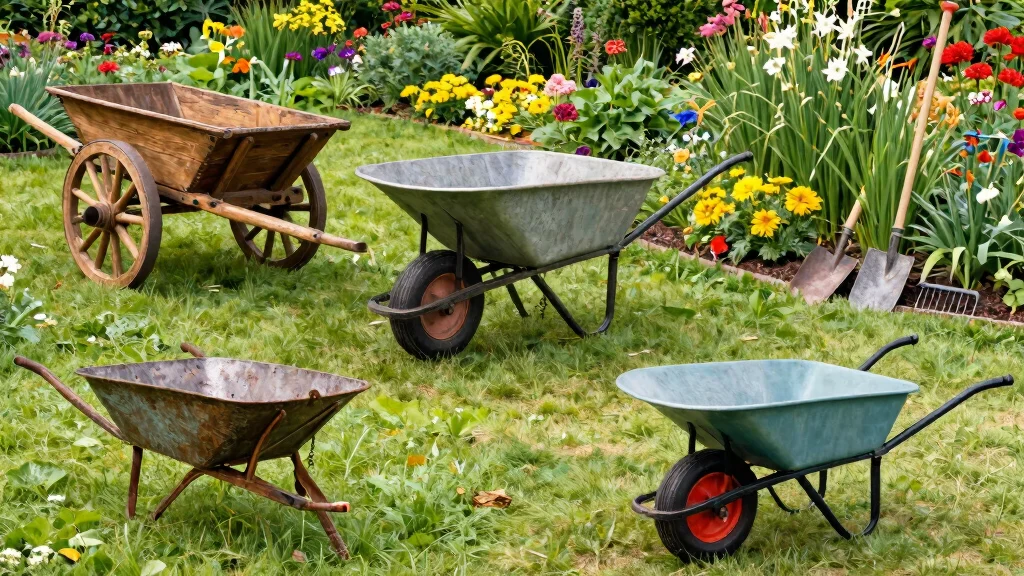
Have you ever thought about the humble wheelbarrow and its journey through time? This post dives into the fascinating world of historical wheelbarrow designs, exploring how this essential garden tool has evolved. From ancient Rome to the Victorian era, these designs reflect the changing needs and creative innovations of gardeners throughout history. I created this guide because I believe understanding the past can enhance our gardening experiences today.
If you’re a gardening enthusiast, a history buff, or someone who loves restoring vintage wheelbarrows, this one’s for you. You’ll discover key milestones in the evolution of wheelbarrows that reveal how they shaped horticultural practices. Whether you’re looking to restore an antique model or simply appreciate the ingenuity behind these classic horticultural equipment, this post offers valuable insights.
You’ll gain a clear understanding of wheelbarrow history, the remarkable designs that emerged over the centuries, and practical restoration techniques for bringing old wheelbarrows back to life. Plus, you’ll get a glimpse of what the future holds for these essential gardening tools. So, grab your gardening gloves and let’s dig into the captivating evolution of wheelbarrows!
Key Takeaways
– Discover how the Roman revolution in wheelbarrow design changed gardening tools forever, enhancing efficiency in transporting materials.
– Learn about the Medieval wheelbarrow and its role as a trusty companion for farmers and gardeners, making labor easier.
– Explore the Victorian era designs, where aesthetics met functionality, influencing today’s modern garden tools.
– Understand the innovations that came with the Industrial Age, marking a shift in wheelbarrow production and usage.
– Get practical tips on restoration techniques for vintage wheelbarrows, helping you bring a piece of history into your garden.
1. The Roman Revolution: A Shift in Garden Tools
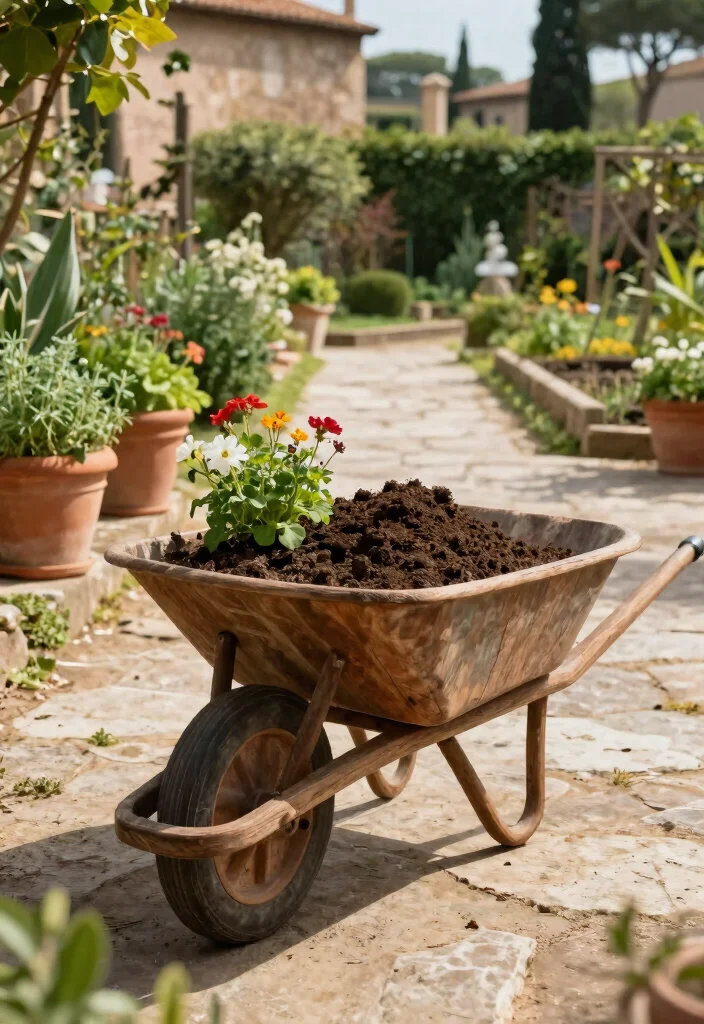
Have you ever considered the origins of the wheelbarrow? Its journey traces back to the Romans, who transformed gardening and construction with this simple yet revolutionary tool. Their single-wheel design made it easier to navigate uneven landscapes, enhancing productivity in bustling gardens. Constructed from robust wood and reinforced with iron, these wheelbarrows could carry heavy loads, significantly reducing the physical toll on workers. When restoring a Roman-style wheelbarrow, think about how you can incorporate authentic materials. Look for vintage pieces that can add character to your garden space. This historical touch not only serves a practical purpose but also sparks conversations about ancient innovations. Key features to consider: – Use Roman wheelbarrows for transporting soil, plants, and building materials. – Balance and coordination are essential for using these single-wheel designs. – Vintage aesthetics can inspire modern garden restorations, adding charm and history. Restoring a Roman wheelbarrow can bring a piece of history into your garden, making it both functional and visually appealing.
How To Choose The Right Historical Wheelbarrow Design
When it comes to selecting a historical wheelbarrow design for your gardening needs, you want to ensure you make the best choice. The right wheelbarrow not only enhances your gardening experience but also adds a touch of charm to your outdoor space. Here’s how to choose the perfect one that suits both your needs and style.
1. Purpose and Functionality
Before diving into aesthetics, think about what you’ll use the wheelbarrow for. Are you transporting soil, plants, or tools? Some designs are better for heavy loads, while others are lighter and more suitable for small gardening tasks. Knowing your primary use will help you narrow down your options and find a design that meets your gardening demands.
2. Size and Capacity
Wheelbarrows come in various sizes, and choosing the right one is crucial. A standard wheelbarrow typically holds about 6 to 8 cubic feet. If you have larger gardening projects or heavy material to move, consider a bigger size. However, if you have limited storage space, a smaller or collapsible design might be better. Measure your storage area before making a choice!
3. Material and Durability
The material of the wheelbarrow affects its weight and durability. Traditional wooden designs add charm but may require more maintenance. Metal frames are sturdy and can handle heavier loads but might rust if not cared for. Plastic wheelbarrows are lightweight but can crack under heavy use. Evaluate your gardening conditions and choose a material that can withstand them.
4. Design Style
Historical wheelbarrow designs come in various styles, from rustic wooden versions to ornate metal creations. Pick a design that complements your garden’s aesthetic. For instance, a Victorian-era wheelbarrow may add elegance, while a Roman-style design brings a classic touch. Think about how the wheelbarrow will fit into your overall garden theme.
5. Ease of Use
Consider how easy the wheelbarrow is to maneuver. Look for features like a comfortable handle grip and a wheel size that suits your needs. A single wheel design is easier to turn but may be less stable, while two wheels provide better balance. Test how it feels when loaded, and ensure it won’t strain you during use.
6. Budget Considerations
Historical wheelbarrows can vary widely in price. Set a budget before you start shopping. While vintage designs might be pricier due to their craftsmanship, you can often find restored versions at reasonable prices. Don’t forget to factor in potential restoration costs if you choose an antique wheelbarrow that needs some love!
Pro Tip: Consider visiting local antique shops or online marketplaces for unique vintage wheelbarrows. Restoring one can be a fun project and give you a one-of-a-kind piece for your garden!
By following these criteria, you can find a historical wheelbarrow design that meets your gardening needs while adding beauty to your outdoor space. Happy gardening!
2. The Medieval Wheelbarrow: A Gardener’s Companion
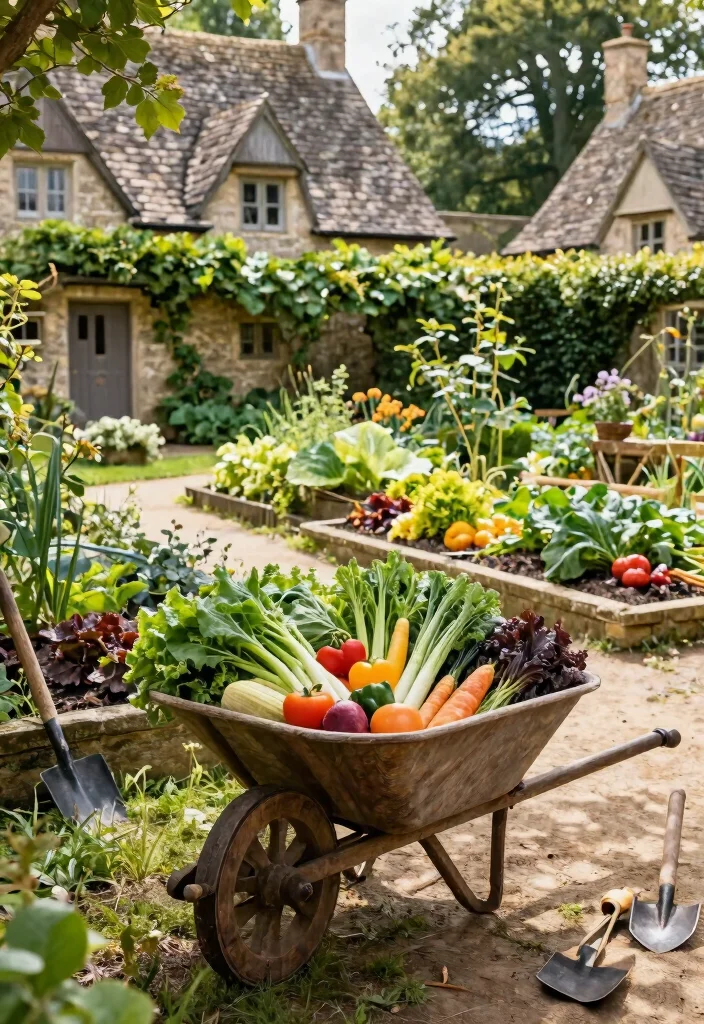
The medieval period witnessed a fascinating evolution in wheelbarrow design, tailored to meet the demands of gardeners and farmers. With the advent of two-wheel construction, these tools became more stable, making it easier to transport heavier items like compost and gardening tools. Crafted from local timber, each medieval wheelbarrow had its unique character, often enhanced with metal parts for added durability. If you’re looking to restore one, prioritize preserving original wooden features. Consider integrating metal reinforcements for both strength and vintage charm. A weather-resistant varnish can protect the wood, ensuring it lasts for years. Restoration tips to keep in mind: – Repurpose original wooden parts to maintain authenticity. – Incorporate metal reinforcements for increased durability. – Use a weather-resistant finish to protect against the elements. These restored medieval wheelbarrows not only serve practical purposes but also stand out as beautiful garden centerpieces.
The historical wheelbarrow designs show the medieval two-wheel version really boosted stability, letting gardeners haul heavier loads with confidence. On trips, 40–60 pounds of compost were steadier and less tiring. When restoring, prioritize preserving original wooden features.
3. The Victorian Era: Aesthetic Evolution
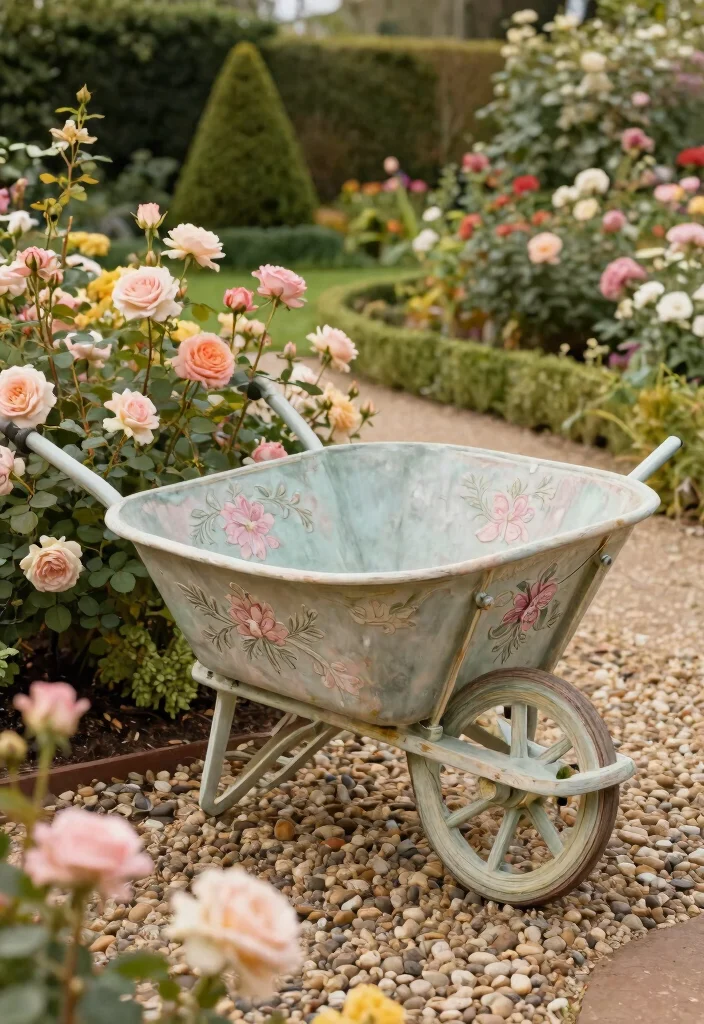
The Victorian era brought a delightful blend of functionality and aesthetics to wheelbarrow design. Gardeners sought tools that were not only efficient but also visually appealing. Victorian wheelbarrows often featured elaborate woodwork and bright colors, showcasing artistic patterns and engravings. These lightweight designs made transporting flowers and produce an elegant experience. When considering restoration, focus on preserving those intricate details. Sanding the wood carefully can help maintain its beauty, while repainting with period-appropriate colors can breathe new life into these treasures. Key features to look for: – Curved handles for comfortable grip and easy maneuverability. – Ornate painted designs featuring floral or geometric patterns. – Lightweight materials ensuring portability without compromising strength. Restoring a Victorian wheelbarrow not only enhances your garden but also adds a touch of historical charm.
Victorian wheelbarrows were more than tools — they embodied historical wheelbarrow designs you could wheel around. When restoring, focus on preserving those intricate patterns and bright colors; a light sanding reveals the history without losing the charm. With patience, your garden becomes a time-traveled stroll.
4. The Industrial Age: Function Meets Form
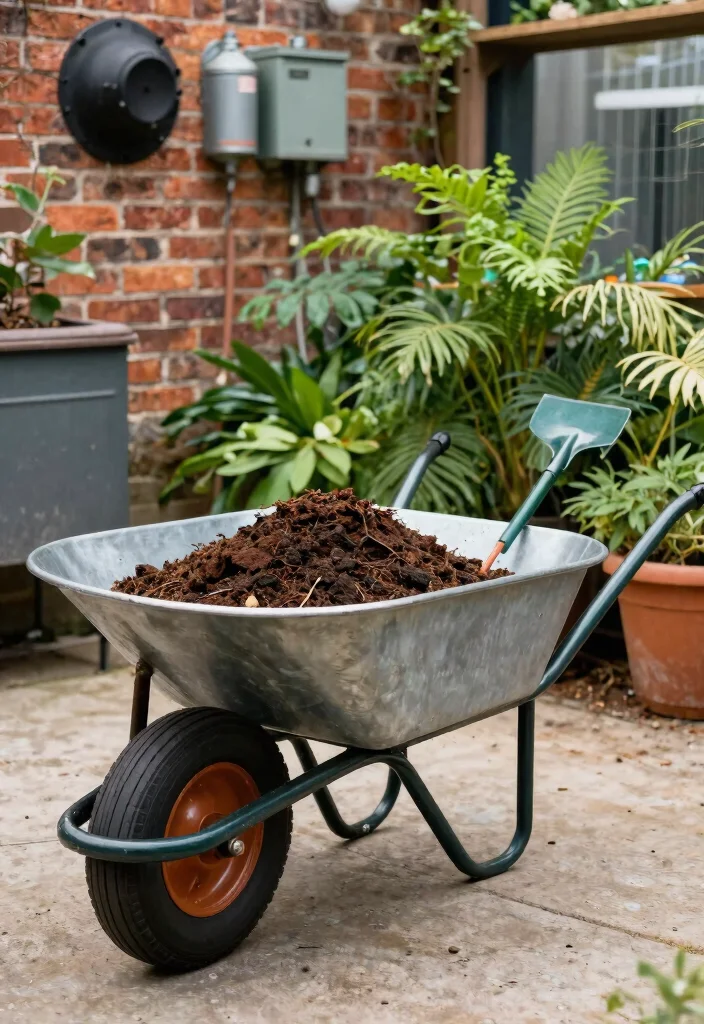
The Industrial Revolution marked a turning point in wheelbarrow design, introducing new materials and manufacturing techniques. Metal became the go-to choice, offering the strength needed for heavier loads while enabling mass production. The double-wheeled carts emerged during this period, enhancing stability and ease of use in gardens. For restoration projects, pay attention to original metal components. Replacing rusted areas with new steel can ensure longevity. Make sure the wheels are functional; consider upgrading to rubber for a smoother ride. Tips for restoring Industrial Age wheelbarrows: – Look for original metal features and replace rusted parts. – Ensure wheels are functional; upgrade to rubber for better performance. – Maintain the original structure while adding modern usability enhancements. These vintage wheelbarrows not only provide practical gardening solutions but also evoke a sense of nostalgia and connection to our gardening history.
5. Contemporary Wheelbarrows: Innovation in Design
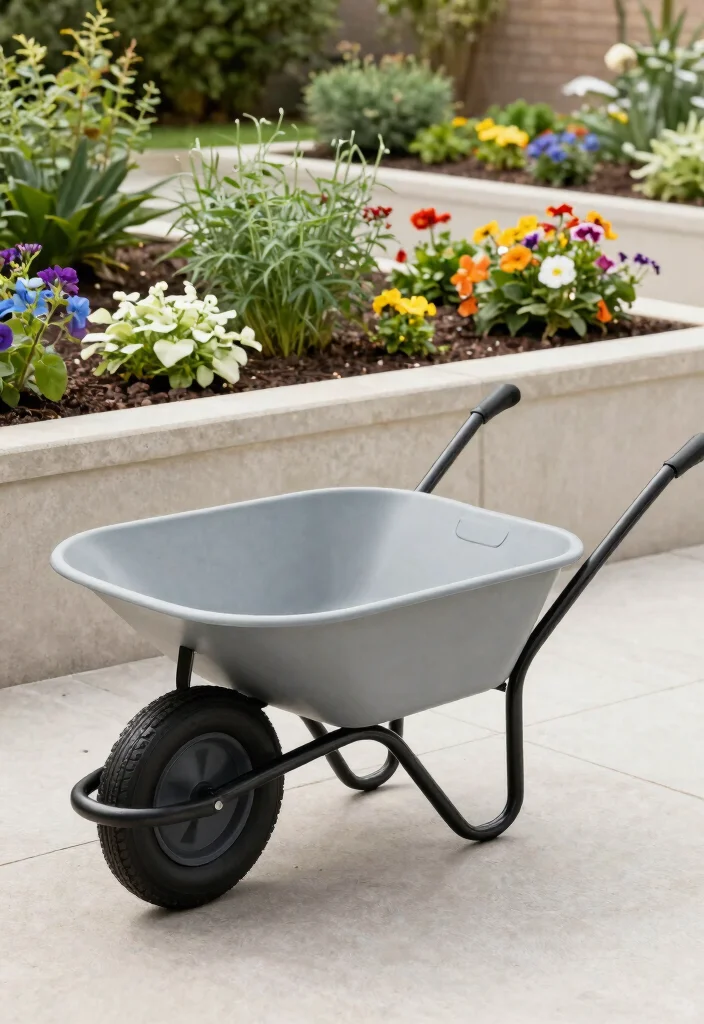
Today’s wheelbarrow designs reflect a blend of innovation and practicality, with new materials and ergonomic shapes making gardening easier than ever. Modern versions often feature molded plastic or lightweight metals, making them easy to handle. Curved handles and wider wheels enhance stability, catering to a younger generation focused on sustainable gardening. When selecting a contemporary wheelbarrow, look for features that simplify your gardening routine. Foldable designs are perfect for those with limited storage, while eco-friendly materials help minimize environmental impact. Trendy features to consider: – Foldable designs for compact storage solutions. – Environmentally friendly materials that support sustainability. – Built-in tool storage for added convenience. Incorporating a vintage wheelbarrow alongside modern designs can create a beautiful contrast, merging past and present gardening practices.
6. Restoration Techniques for Vintage Wheelbarrows
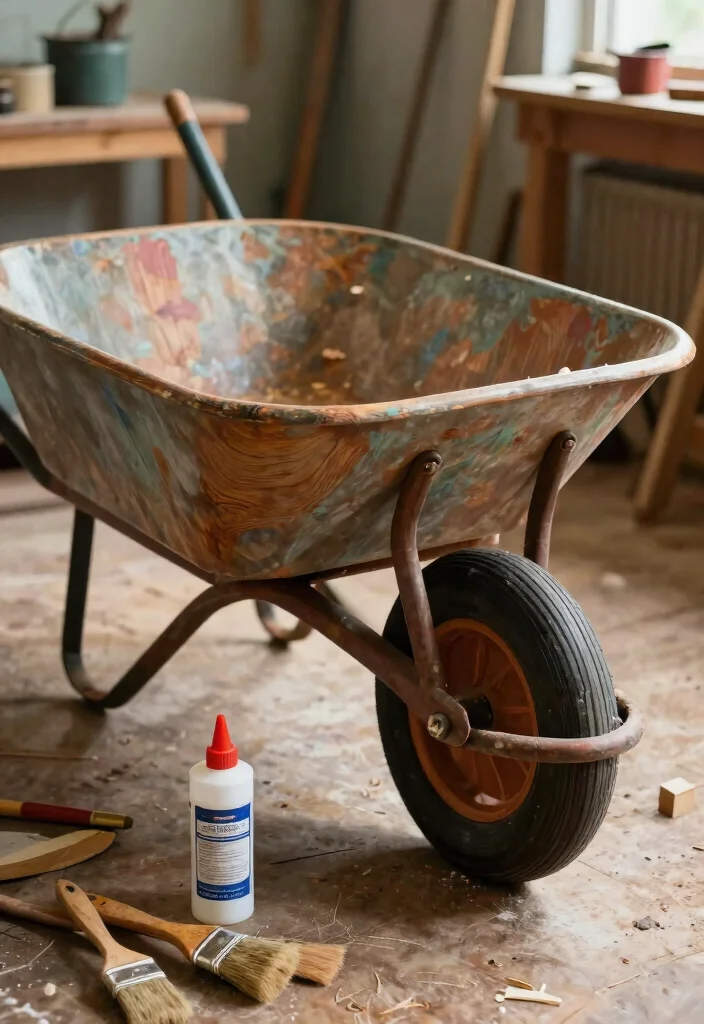
Embarking on a vintage wheelbarrow restoration project can be incredibly fulfilling. These charming tools not only showcase unique designs but also tell stories of the past. Start your restoration by inspecting the wheelbarrow for signs of damage, such as rot or rust. Here’s a simple guide to help you through the restoration process: 1. Disassemble and Clean: Carefully take apart the wheelbarrow and clean each component. Use a wire brush to remove rust and apply a rust-inhibiting primer. 2. Make Repairs: Replace any damaged wood or metal with like materials to retain authenticity. 3. Paint and Finish: Restore aesthetics with high-quality paint or wood stain; choose colors that reflect its era. 4. Reassemble and Enjoy: Once restored, reassemble the wheelbarrow and put it to use or display it as garden art. Restoring a vintage wheelbarrow not only preserves history but also adds distinctive character to your gardening space.
7. The Future of Wheelbarrows in Gardening
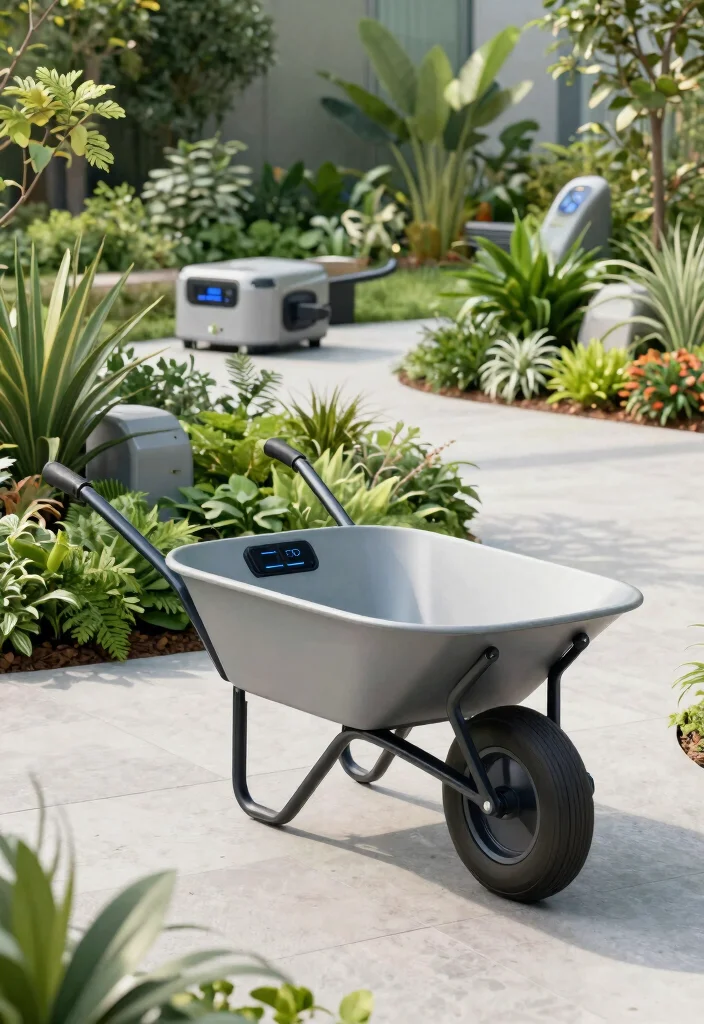
As we look to the future, wheelbarrow designs are set to become even more exciting. With the rise of technology and eco-consciousness, expect to see sustainable materials and smart features integrated into gardening tools. Imagine wheelbarrows equipped with sensors to gauge load capacity or wheels designed to glide effortlessly over challenging terrains! Gardeners will soon have access to customizable options, tailoring wheelbarrows to their specific needs and styles. Key considerations for future designs: – Focus on eco-friendly materials and sustainable production methods. – Incorporate technology for improved gardening efficiency. – Offer customizable designs reflecting individual gardening styles. The evolution of wheelbarrows continues to bridge tradition and innovation, ensuring these versatile tools remain essential in every gardener’s toolkit.
Fun fact: 3 out of 5 gardeners expect future wheelbarrows to combine sustainable materials with smart load sensors. This evolution—from historical wheelbarrow designs to high-tech gardening gear—will ease fatigue and slash trips to the shed; look for eco-friendly materials and load-sensor options.
Conclusion
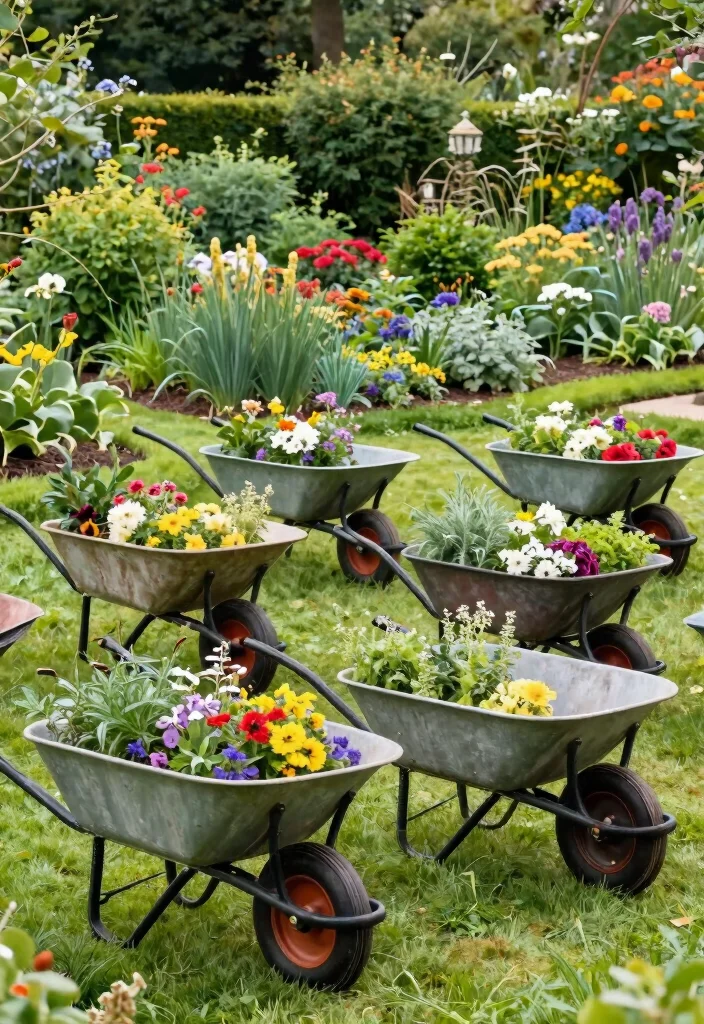
The journey through the history of wheelbarrows reveals how much these simple yet effective tools have transformed over time.
From their practical roots in ancient Rome to the modern designs we see today, the evolution of wheelbarrows is a testament to our ever-changing approach to gardening.
Embracing these historical designs and restoration techniques not only pays homage to our gardening ancestors but also enriches our gardening experience. What will your next wheelbarrow project look like?
Note: We aim to provide accurate product links, but some may occasionally expire or become unavailable. If this happens, please search directly on Amazon for the product or a suitable alternative.
This post contains Amazon affiliate links, meaning we may earn a small commission if you purchase through our links, at no extra cost to you.
Frequently Asked Questions
What are the defining features of historical wheelbarrow designs and how can I identify their era?
Understanding historical wheelbarrow designs helps you date pieces and plan a faithful restoration. Look for era clues like bucket material (wood, tin, or iron), wheel type (solid wooden wheel, iron-rimmed wheel, or early pneumatic tire), frame construction (hand-forged rivets vs welded steel), and handle style. Maker marks and patina often reveal wheelbarrow history trends. Practical steps: take clear photos, measure the wheel diameter and bucket depth, and compare with period catalogs or museum references to place your piece in the garden tools lineage and highlight gardening innovations of the era. Then source authentic hardware and period finishes to honor vintage wheelbarrows and other horticultural equipment heritage.
What are the best restoration techniques for authentic wooden handles and metal frames on vintage wheelbarrows?
Start by assessing wood for rot and wear. Clean, dry, then treat with a preservative and breathable oil like raw linseed oil to revitalize the surface while preserving patina. Replace severely damaged sections with period-appropriate dimensions, keeping original joinery where possible. For metal frames, remove loose rust with a gentle rust remover, apply a rust converter, and finish with a protective coating that matches the era. Reattach using traditional fasteners and finishes that align with the original look. Document your process to honor wheelbarrow history and maintain the integrity of horticultural equipment in your vintage wheelbarrows project.
How can I date a wheelbarrow and decide if restoration is cost-effective?
Dating a wheelbarrow typically comes from maker marks, wheel design, and hardware. Look for branding, rivets versus welds, and the bucket style. Compare with old catalogs, museum guides, and online archives to estimate a period and value. For cost, estimate authentic hardware, wood stabilization, and labor, then compare to the potential value of a well-preserved piece. If the expected value and the satisfaction of preserving gardening heritage outweigh the restoration costs, it’s worth pursuing. This approach keeps your project aligned with garden tools history and the broader wheelbarrow history narrative, including vintage wheelbarrows.
What common mistakes should I avoid when restoring historical wheelbarrows?
Avoid erasing patina or maker marks through over-restoration, and skip replacing authentic rivets with modern hardware. Be careful with finishes—stick to period-appropriate paints and avoid flashy modern coatings that clash with the era. Don’t neglect the structural integrity of the frame or the wooden handles, which can degrade with moisture. Store and display in dry conditions to protect the wood and metal. Document your process to help future restorers and keep the project faithful to the authentic garden tools and horticultural equipment heritage of historical wheelbarrow designs.
Where can I find reliable resources, parts, or community help for maintaining antique wheelbarrows and other garden tools?
Seek guidance from museums, horticultural societies, and antique tool clubs that publish catalogs and guides on historical wheelbarrow designs. Online archives, vintage catalogs, and regional garden clubs often share wheelbarrow history insights. For parts, look to specialized vendors, salvage yards, and dealers who carry period-appropriate hardware for vintage wheelbarrows. Join online forums or local maker spaces where gardening innovations enthusiasts swap tips and pieces. Connecting with fellow collectors helps you keep your restoration aligned with authentic horticultural equipment and the spirit of the era.

![15 Beautiful Water Fountain Planter Garden Ideas [Must See]](https://homception.com/wp-content/uploads/2026/04/15-Beautiful-Water-Fountain-Planter-Garden-Ideas-Must-See-150x150.webp)