Creating a stunning park water fountain can be a game-changer for large landscapes. If you’re dreaming of a space that captivates visitors and breathes life into your outdoor setting, you’re in the right place. This post is crafted for anyone passionate about gardening, landscape design, or simply creating a serene outdoor atmosphere. Whether you’re a homeowner, a landscape architect, or part of a community planning team, these ideas will spark your creativity.
Large landscapes can often feel overwhelming, but with the right water features, they can transform into calming retreats. You’ll discover 11 unique and sustainable park water fountain ideas that not only highlight aesthetics but also respect our natural environment. From eco-conscious solar-powered fountains to community garden installations, you’ll gain inspiration that is both practical and innovative. Each idea offers its own charm and functionality, making them perfect for enhancing outdoor spaces while promoting eco-friendliness.
By the end of this guide, you will have a variety of options to explore that suit different tastes and budgets. You’ll be equipped with insights on how to integrate these features seamlessly into your landscapes. Get ready to dive into the world of park water fountain ideas that are not only beautiful but also support a sustainable future!
Key Takeaways
– Explore 11 innovative park water fountain ideas that enhance large landscapes and promote sustainability.
– Discover design options such as eco-conscious solar-powered fountains and interactive splash pads suitable for all ages.
– Learn how to incorporate natural materials and recycled components into your water features, making them eco-friendly.
– Understand the benefits of biophilic design, bringing nature closer to urban landscapes through water installations.
– Get practical tips on choosing sizes, styles, and placements for fountains to create breathtaking outdoor environments.
1. Eco-Conscious Solar-Powered Fountain
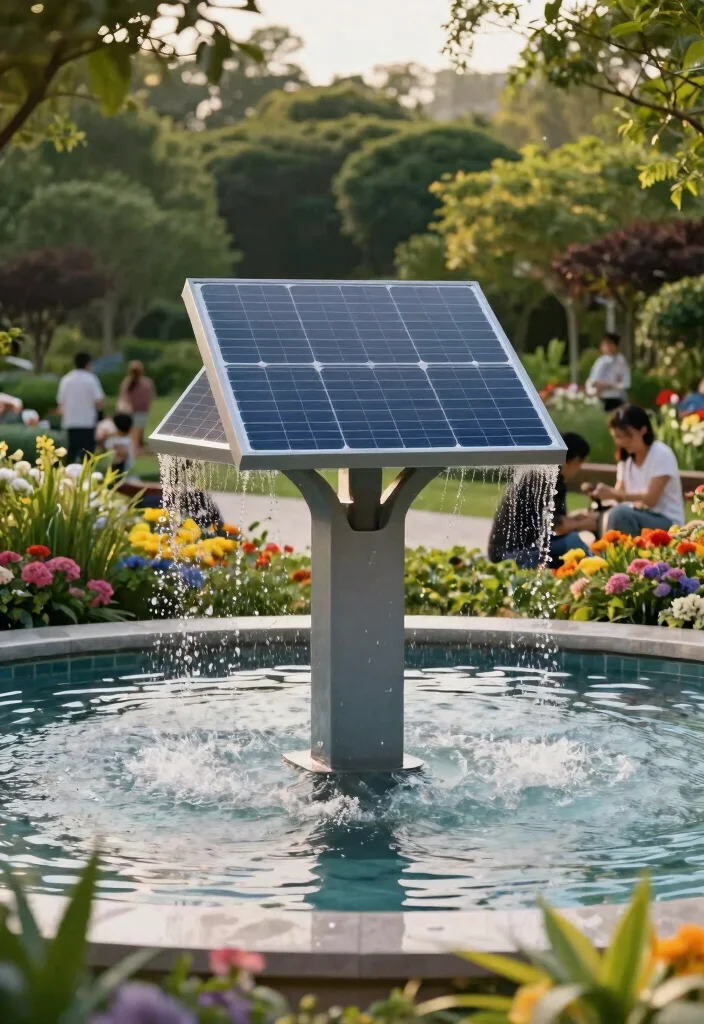
Imagine transforming your garden with an eco-conscious solar-powered fountain that not only enhances beauty but also supports renewable energy. These fountains come equipped with solar panels, allowing them to utilize sunlight to power their stunning displays. By choosing solar, you reduce energy bills and contribute to a healthier planet.
Position your solar fountain in sunny areas for optimal performance, especially during peak sunlight hours. Look for models that offer adjustable flow rates and stylish designs that complement your garden’s aesthetic. You might also want to add a rainwater collection system for a fully sustainable water source.
Benefits of choosing a solar fountain:
– Cost-effective: No electricity costs or installation required.
– Eco-friendly: Harnesses renewable energy for operation.
– Placement flexibility: Ideal for remote spots without power access.
Explore a variety of styles, from sleek modern looks to charming rustic finishes, ensuring your choice enhances the overall landscape beautifully.
2. Naturalistic Rock Waterfall
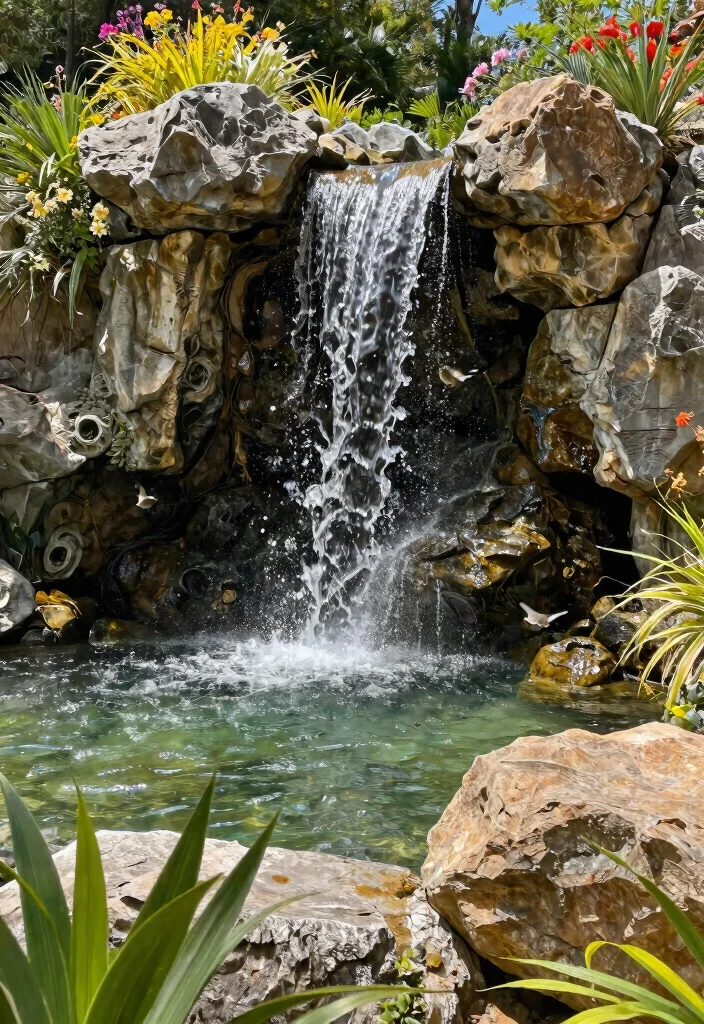
A naturalistic rock waterfall can turn your large landscape into a serene retreat, mimicking the beauty of nature. Built with genuine stones and boulders, this feature creates the illusion of a tranquil stream flowing through your garden. The soothing sounds of cascading water not only beautify the area but also attract diverse wildlife.
When planning your waterfall, select local stones that blend seamlessly with the surroundings. Surround it with native plants to further integrate the feature into the landscape, making it feel like a natural part of the environment. The gentle sounds of the water promote relaxation, inviting visitors to unwind in a peaceful setting.
Key considerations for your rock waterfall:
– Water source: Use a recirculation system to save water.
– Sustainable materials: Opt for locally sourced stones to lessen impact.
– Plant selection: Choose native flora that thrives in your region.
Create an inviting focal point that becomes a haven for local birds and butterflies, enriching your garden’s ecosystem.
Turn your big landscape into a tranquil retreat with a naturalistic rock waterfall. It’s a smart, eco-friendly centerpiece that brings calming water sounds, wildlife, and the vibe of a hidden park—perfect for embracing park water fountain ideas.
3. Recycled Materials Fountain
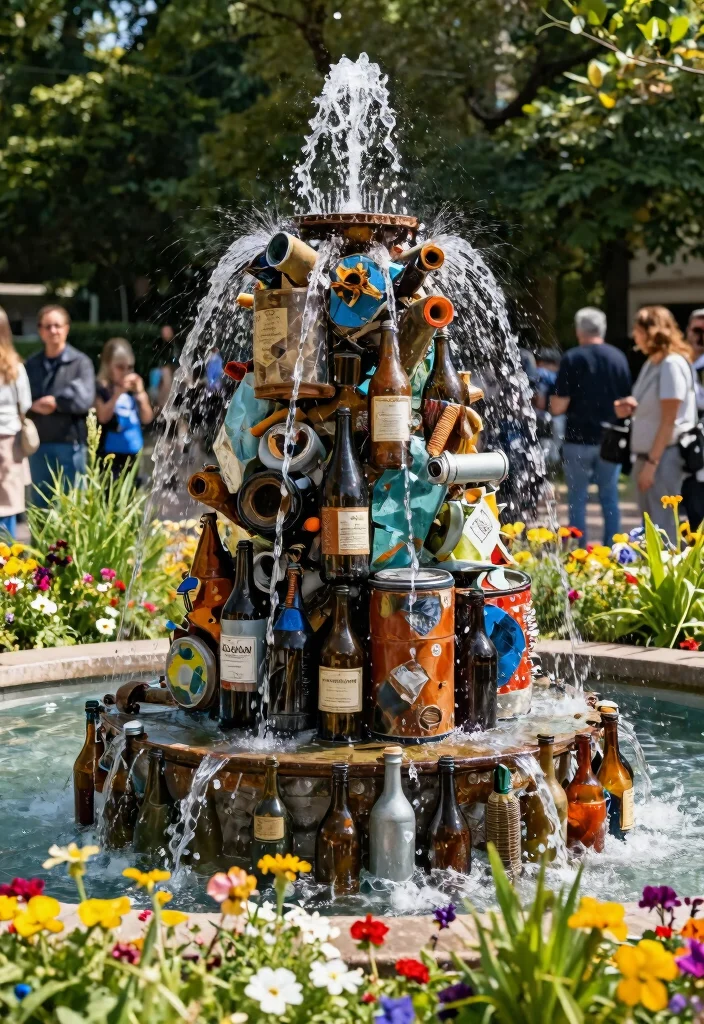
Get creative with sustainability by introducing a fountain crafted from recycled materials, adding a unique touch to your landscape. Items like old bottles, barrels, or reclaimed wood can be transformed into eye-catching water features that tell a story about eco-friendliness. This approach not only promotes recycling but also gives character to your garden.
Collaborate with local artisans to design a fountain that resonates with community values or local history. The interactive nature of recycled fountains invites community input, making it a shared project. Position your fountain in a lively area to spark conversations about sustainability and creativity.
For crafting a recycled fountain:
– Materials selection: Choose durable items suitable for outdoor use.
– Artistic design: Collaborate with artists for a cohesive and appealing look.
– Interactive elements: Incorporate features that engage visitors, like gentle spray patterns.
This fountain serves not only as a water feature but also as an educational piece, highlighting the importance of waste reduction and creativity.
Key Trade-offs & Our Top Pick
When choosing a park water fountain, it’s essential to weigh your options carefully. Each type of fountain offers unique benefits and challenges. Here’s a breakdown of three main options.
1. Eco-Conscious Solar-Powered Fountain
– Pros:
– Uses renewable energy, which lowers utility bills 💡
– Reduces carbon footprint and promotes sustainability 🌱
– Often comes with beautiful, modern designs suitable for various outdoor spaces
– Cons:
– Initial costs can be higher than traditional fountains
– May not work effectively on cloudy days or in shaded areas
– Requires a good amount of sunlight to function well
– Best for: Eco-friendly gardens or parks aiming for sustainability.
2. Naturalistic Rock Waterfall
– Pros:
– Creates a serene, natural look that blends well with landscapes 🌊
– Provides soothing sounds of flowing water, enhancing relaxation
– Attracts wildlife, which can enrich the ecosystem
– Cons:
– Can be expensive to install due to the need for natural materials
– Requires regular maintenance to prevent algae growth
– May take up considerable space in smaller gardens
– Best for: Large park areas desiring a natural aesthetic.
3. Interactive Splash Pad for All Ages
– Pros:
– Provides a fun space for families and children to cool off during summer ☀️
– Low maintenance compared to traditional fountains
– Encourages social interaction within the community
– Cons:
– Initial setup costs can be high due to water systems
– Requires a reliable water supply and drainage
– Less focus on aesthetics compared to other fountain types
– Best for: Community parks aiming to engage families and children.
Best Overall: Eco-Conscious Solar-Powered Fountain
This option stands out as the top choice for most parks. It blends sustainability with modern design, making it an excellent addition to large landscape designs. You not only save on energy costs in the long run, but you also invest in a fountain that promotes environmental care. With its versatility in design, it fits well in various outdoor settings and remains durable over time.
Why We Picked This:
While the solar-powered fountain is our top pick, some might prefer the interactive splash pad for its community engagement or the naturalistic waterfall for its tranquil beauty. Each option serves different needs, so choosing the right one depends on your specific goals and the environment of your outdoor space. Consider what’s essential for your landscape, and choose accordingly!
4. Meditation Pool with Floating Plants
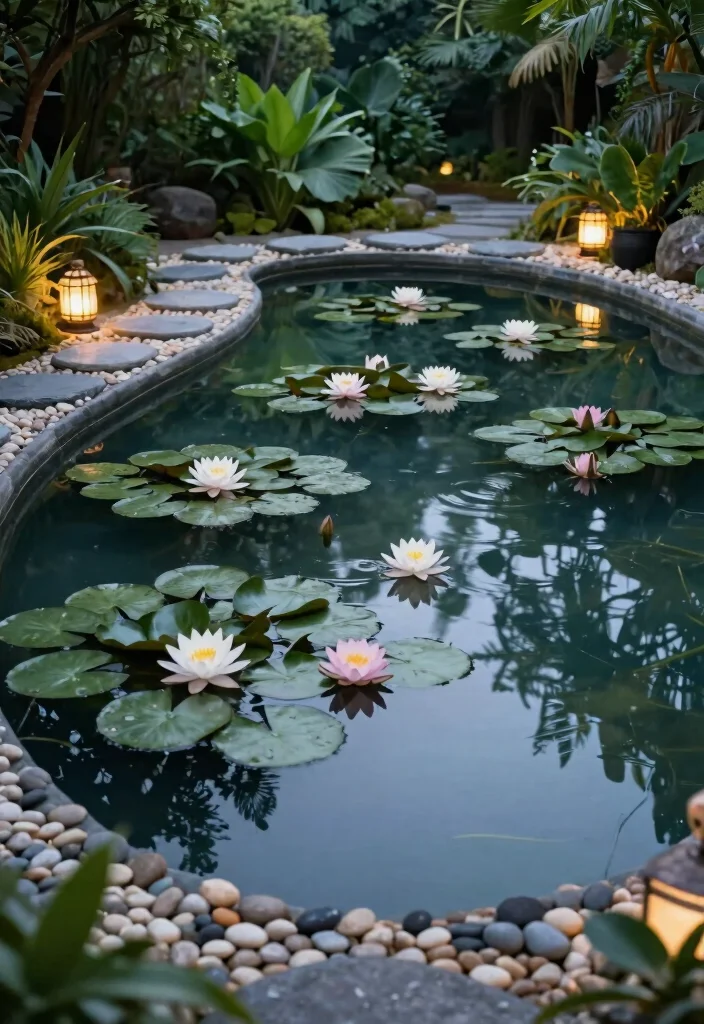
Create a serene meditation pool that serves as a personal oasis for relaxation and mindfulness. This shallow, expansive pool can be adorned with floating plants like water lilies and lotus flowers, enhancing its tranquil vibe. The gentle trickle of water elevates the meditative experience while attracting beneficial insects and birds.
Enhance the calming atmosphere by lining the pool’s edge with smooth pebbles or stepping stones, inviting quiet exploration. Adding soft lighting or lanterns will transform the space into a peaceful retreat for evening contemplation. Ensure the pool has a recirculation system to conserve water while maintaining its beauty.
Features to enhance your meditation pool:
– Plant selection: Opt for resilient aquatic plants that attract wildlife.
– Accessibility: Create easy access for visitors while keeping tranquility intact.
– Lighting: Use soft ambient lighting for nighttime enjoyment.
This meditation pool can become a cherished sanctuary, fostering peace and mindfulness in your busy life.
5. Interactive Splash Pad for All Ages
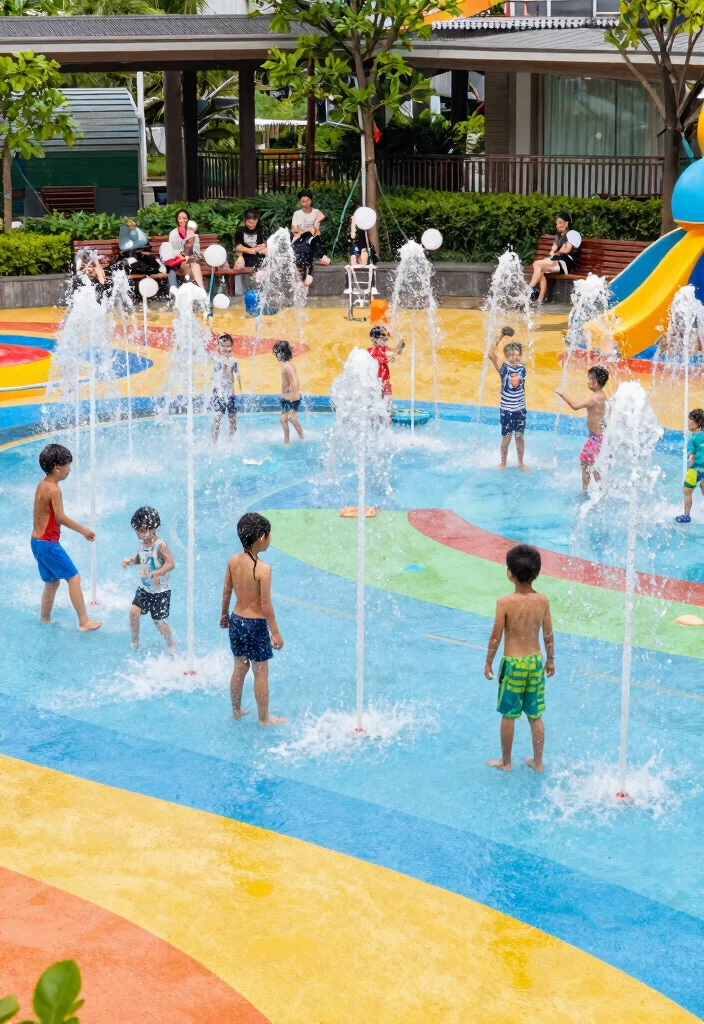
An interactive splash pad can brighten your landscape, offering a vibrant space for families to cool off on hot days. With a variety of water jets, sprays, and fountains, these pads provide endless entertainment for children and adults alike. The fun encourages physical activity while fostering social interactions in a lively atmosphere.
Design your splash pad with diverse features to cater to all age groups, from gentle sprays for toddlers to dynamic jets for older kids. Include shaded areas and seating for parents to relax while their children play. This thoughtful design ensures everyone can enjoy the fun comfortably.
Benefits of including a splash pad:
– Family-friendly: Encourages outdoor play and interaction among families.
– Eco-conscious: Many pads utilize recycled water systems for sustainability.
– Design versatility: Easily tailored to fit any theme or landscape style.
This feature transforms public parks into joyful hubs of activity, inviting families and visitors to create lasting memories.
Fun fact: well-designed splash pads boost family visits by up to 40% on hot days, turning play into easy exercise. For great park water fountain ideas, mix gentle toddler sprays with dynamic jets for kids and shaded seating for all.
6. Koi Pond Fountain
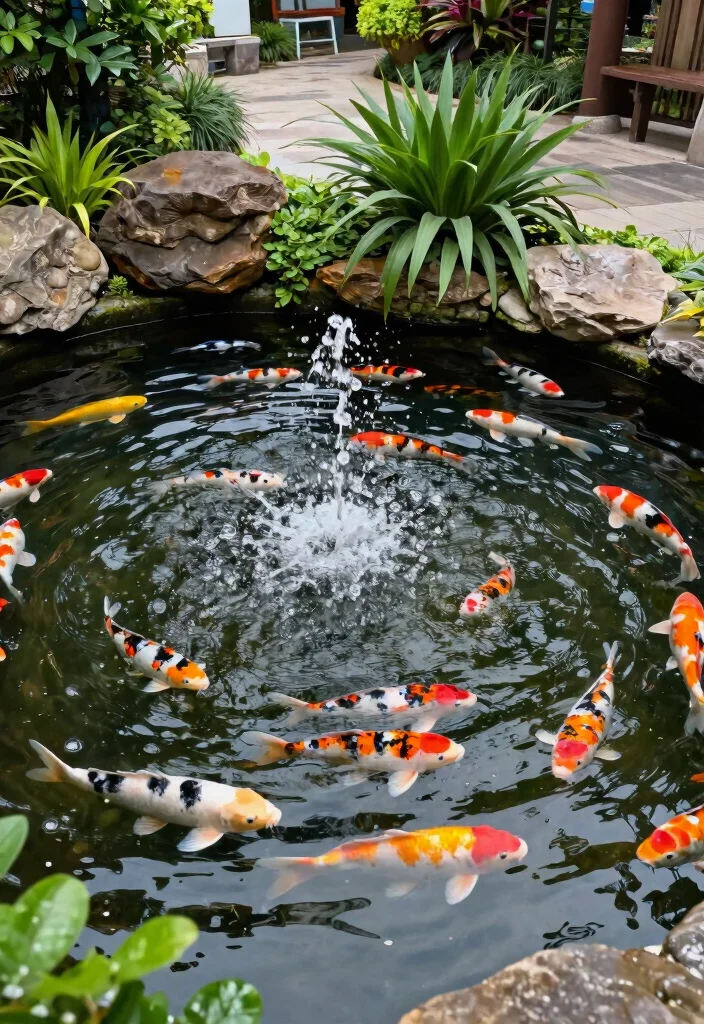
Combining a koi pond with a fountain creates a peaceful haven while providing a habitat for elegant fish. Koi ponds can feature bubbling fountains or cascading waterfalls that aerate the water, promoting a healthy ecosystem for aquatic life. This combination enhances both beauty and function in your landscape.
To amplify the natural appeal, surround the pond with native plants and stepping stones, creating inviting areas for relaxation and observation. Ensure you include a filtration system to maintain clear, clean water, benefiting both the fish and surrounding flora. This thoughtful design adds an interactive element to your space.
Design considerations for a koi pond fountain:
– Fountain type: Select a design that complements your pond’s size and shape.
– Water quality: Invest in a reliable filtration system to keep the water pristine.
– Plant integration: Add aquatic plants for shade and shelter for koi.
This installation serves not only aesthetic purposes but also fosters a thriving habitat, enriching your landscape’s ecological value.
7. Artistic Rain Chain Fountain
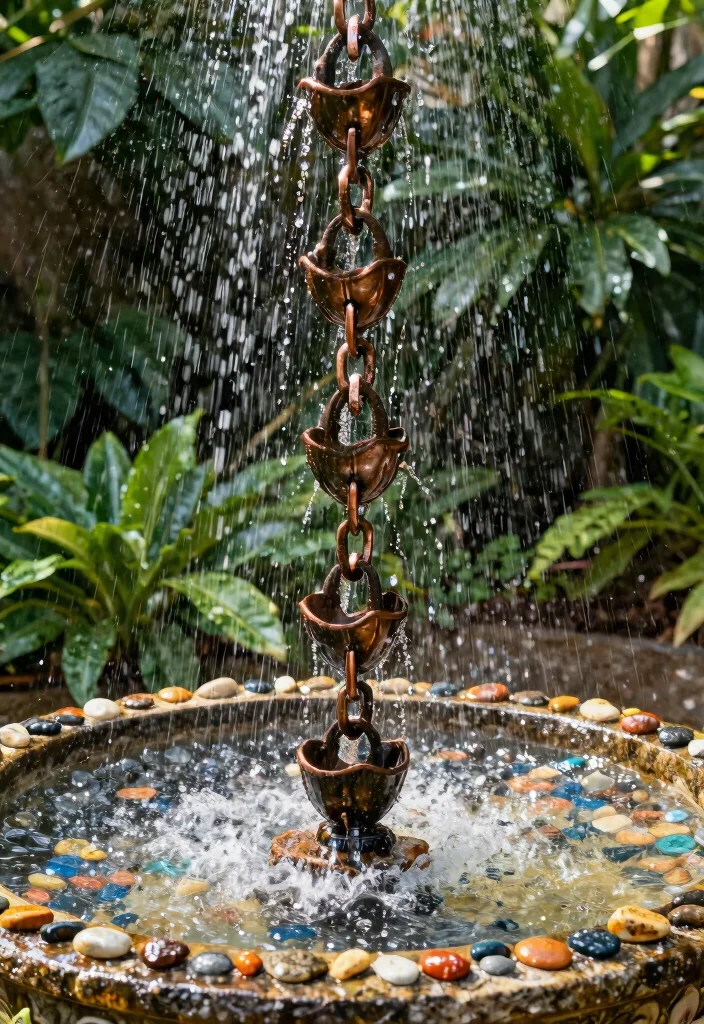
Rain chains offer a creative, artistic alternative to traditional downspouts while directing rainwater into a basin or pond. These beautiful features can be crafted from materials like copper or aluminum, showcasing designs that range from simple links to elaborate shapes. They add both functionality and charm to your landscape.
The gentle flow of water down the chain creates delightful sounds and visual appeal. Pair your rain chain with a basin adorned with stones or pebbles to enhance the overall aesthetic. This combination promotes eco-friendly water management while beautifying your garden.
Advantages of using a rain chain:
– Aesthetic appeal: An artistic option to standard gutters.
– Water conservation: Helps collect rainwater for reuse.
– Low maintenance: Requires less upkeep than traditional fountains.
Incorporating this feature enriches your garden while promoting sustainable water practices.
8. Biophilic Design Water Wall
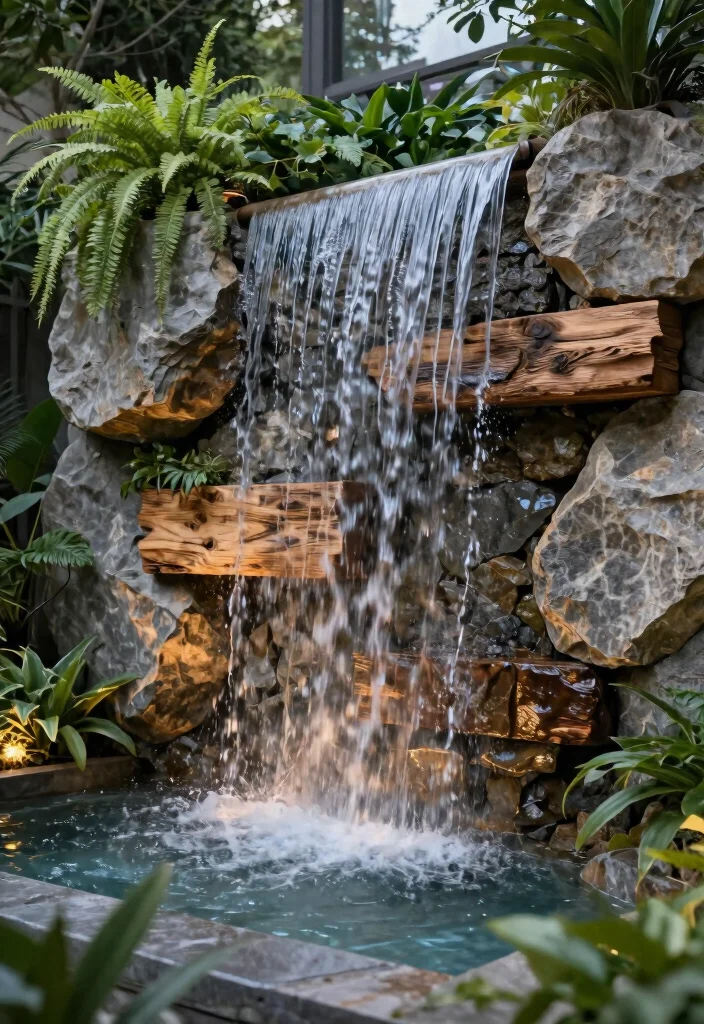
Bringing nature into your design with a biophilic water wall can create a calming space while improving air quality. These striking vertical installations showcase flowing water over natural materials like stone or wood, making a stunning backdrop for any garden. The soothing sound of water adds to the ambiance, masking noise from the surrounding environment.
Consider integrating lighting to highlight the water feature at night, creating a magical experience. Surrounding the water wall with plants further enhances its beauty, seamlessly blending natural elements into your landscape.
Key elements for designing a water wall:
– Material selection: Use sustainable materials that complement the environment.
– Plant integration: Surround with greenery for added biophilic benefits.
– Sound considerations: Design to minimize splashing while maximizing soothing sounds.
This feature is perfect for urban settings, providing a slice of tranquility in busy environments and promoting relaxation and well-being.
9. Floating Fountain for Large Ponds
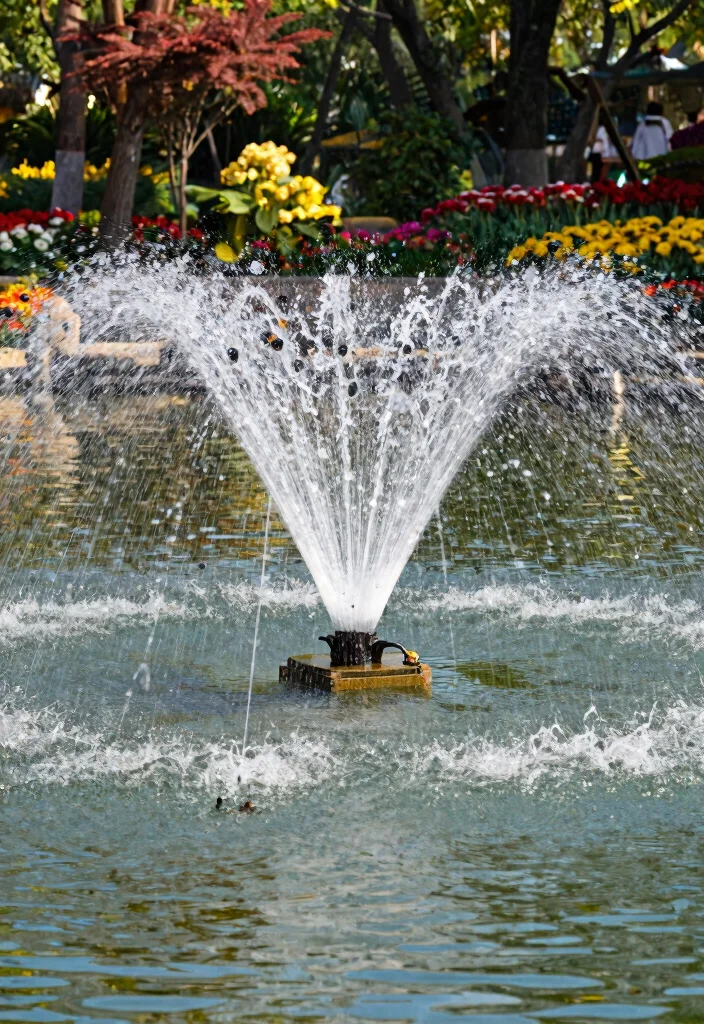
A floating fountain can serve as an eye-catching centerpiece for large ponds while aerating the water. Available in various designs, these fountains feature adjustable spray patterns that create stunning visual displays. Powered by electric pumps or solar energy, they fit well into eco-conscious landscaping.
Position your floating fountain centrally in the pond to enhance its beauty and support aquatic ecosystems by increasing oxygen levels. Select a model with customizable spray heights for versatility in visual effects and special occasions.
Advantages of installing a floating fountain:
– Visual impact: Acts as a striking centerpiece for large water bodies.
– Ecosystem support: Helps maintain healthy water conditions for aquatic life.
– Flexible design: Offers options for adjustable spray patterns.
This feature can elevate a simple pond into a stunning showcase, adding charm and vitality to your landscape.
Floating fountains can boost oxygen in large ponds by up to 40%, turning water quality into an instant win for wildlife. Central placement and adjustable spray heights bring the park water fountain ideas to life—eco-friendly, eye-catching, and easy to power with solar.
10. Contemporary Minimalist Fountain
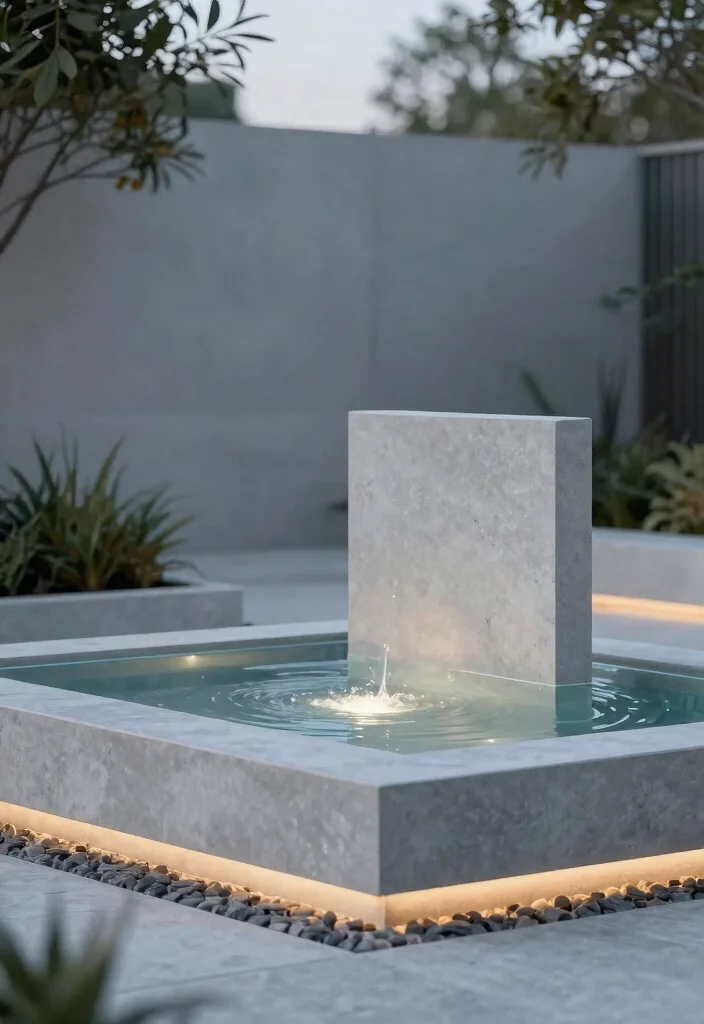
A contemporary minimalist fountain can elegantly enhance modern landscapes with its sleek and understated design. These fountains typically feature simple geometric shapes and clean lines, providing a refined touch that complements contemporary settings. The use of materials such as concrete, metal, or glass reflects current design trends.
Incorporating subtle lighting can accentuate the fountain’s beauty at night, enriching the landscape’s overall ambiance. Despite their minimalist approach, these fountains create a sense of serenity, encouraging visitors to pause and appreciate their simplicity.
Design tips for a minimalist fountain:
– Material choice: Opt for durable, modern materials that align with your landscape.
– Integrated lighting: Highlight the fountain’s features for evening appeal.
– Surrounding space: Keep landscaping simple to emphasize the fountain’s design.
This type of installation is ideal for contemporary gardens, offering a graceful fusion of form and function.
11. Community Garden Fountain
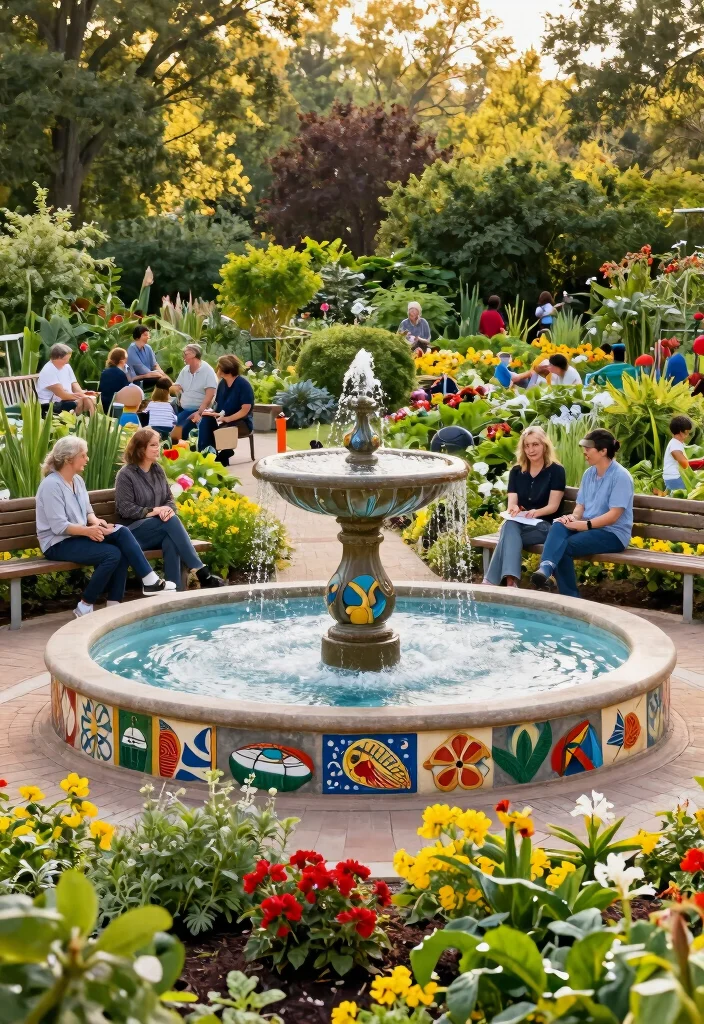
A community garden fountain acts as a central gathering point, symbolizing unity and sustainability. Designed with input from local residents, these fountains foster a sense of ownership and pride within the community. Including artistic elements that reflect local culture or history makes it a beloved landmark.
Incorporate interactive features like splash zones or seating areas to encourage socializing and relaxation. Connecting the fountain to nearby gardens can promote environmental education, inspiring appreciation for nature and community resources.
Benefits of a community garden fountain:
– Promotes togetherness: Creates a space for gatherings and community activities.
– Cultural significance: Reflects the community’s values and heritage.
– Educational opportunities: Teaches about sustainability and gardening practices.
This fountain can become more than just a water feature; it serves as a hub for community engagement and environmental awareness.
Conclusion
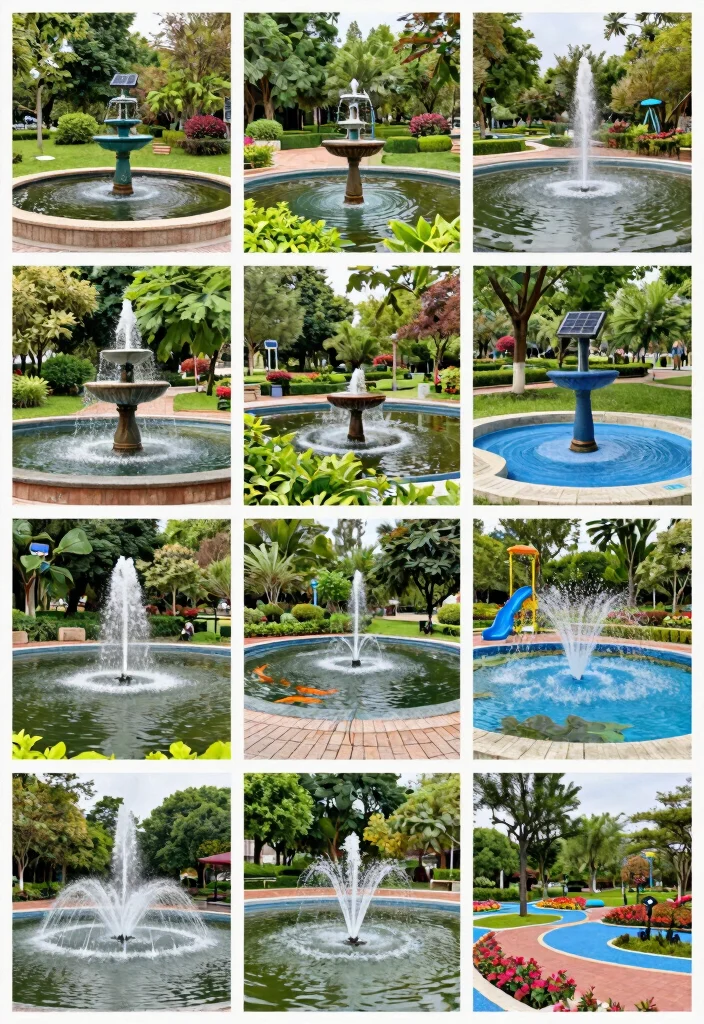
Incorporating water fountains into large landscapes not only enhances aesthetic appeal but also promotes sustainability and community engagement. From solar-powered designs to interactive splash pads, each fountain idea offers unique opportunities to connect with nature while relaxing and enjoying the outdoors.
As you explore these park water fountain ideas, consider how they can enrich your own gardening projects or public spaces, making them more vibrant and inviting. Embrace the beauty of water features and their potential to create captivating experiences in your landscape.
Note: We aim to provide accurate product links, but some may occasionally expire or become unavailable. If this happens, please search directly on Amazon for the product or a suitable alternative.
This post contains Amazon affiliate links, meaning we may earn a small commission if you purchase through our links, at no extra cost to you.
Frequently Asked Questions
What are the most impactful park water fountain ideas for large landscapes?
When you’re planning for a large landscape, look for ideas that create a strong focal point while staying sustainable. Park water fountain ideas that work well in big spaces include multi-jet sculpted fountains, tiered basins that can double as rain gardens, and naturalistic stream or cascade features. Choose energy-efficient, variable-speed pumps (ideally solar-assisted) to cut power use, and loop the water with a recirculation system to keep it all-self-contained. Pair the fountain with a rainwater harvesting setup to reduce mains water demand, and use weather-resistant materials for longevity. Position seating and winding paths around the feature to invite people to linger, which also enhances the large landscape design. Finally, add programmable lighting and seasonal plantings to boost year-round appeal among outdoor water features enthusiasts and visitors.
How can I design outdoor water features that fit a large landscape and conserve water?
Designing outdoor water features for a large landscape while conserving water starts with a clear water budget. Use a closed-loop pump with rainwater harvesting or collected runoff; avoid open basins where evaporation loss is high.
Select low-flow spray nozzles and mist controls, and install smart timers or sensors to run the fountain only when people are nearby or during cooler parts of the day.
Surround the feature with drought-tolerant planting to reduce irrigation needs, and consider a natural filtration system to keep the water clean without chemicals.
Finally, document maintenance and safety checks to keep the system efficient over time.
What garden fountain styles work well in park settings and sustainable landscape designs?
Garden fountain styles vary from sleek modern geometric to lush classical urns and stone cascades. In park settings, choose garden fountain styles that complement surrounding architecture and landscape textures. For sustainable designs, you might favor low-profile, modular pieces that can be scaled or reconfigured, natural stone or recycled metal, and dry-stone or tiered configurations that slow water movement for a calmer atmosphere. Consider integrating a vertical wall fountain for tight spaces or a sunken stream for a naturalistic feel. Pair any style with accessible paths and seating, making it part of your broader landscape architecture ideas.
How do I choose decorative water installations that enhance a park without wasting resources?
To avoid wasting resources, pick decorative water installations with water-wise features. Look for decorative water installations that use closed-loop systems, solar-powered pumps, and variable-speed controls. Use rainwater harvesting and plan seasonal operation to reduce evaporative loss. Choose efficient nozzles, misting controls, and consider greywater reuse where permitted. Place the fountain where it can benefit from natural airflow to minimize mist and energy use. Lastly, build in a simple maintenance plan to prevent leaks and ensure long-term efficiency.
What practical steps can I take to implement park water fountain ideas in a community project?
Practical steps to implement park water fountain ideas in a community project: 1) gather stakeholders and draft a shared vision around sustainability and accessibility. 2) Develop a scalable design using landscape architecture ideas that fits a large landscape design. 3) Prepare a transparent budget, source eco-friendly materials, and select suppliers with experience in outdoor water features. 4) Create a phased plan, including permitting, site prep, and installation. 5) Build a maintenance and safety plan, including filtration, winterization, and ADA-compliant access. 6) Install signage and educational elements about the fountain’s sustainable features, inviting community involvement with decorative water installations as a talking point.
![15 Beautiful Water Fountain Planter Garden Ideas [Must See]](https://homception.com/wp-content/uploads/2026/04/15-Beautiful-Water-Fountain-Planter-Garden-Ideas-Must-See-150x150.webp)