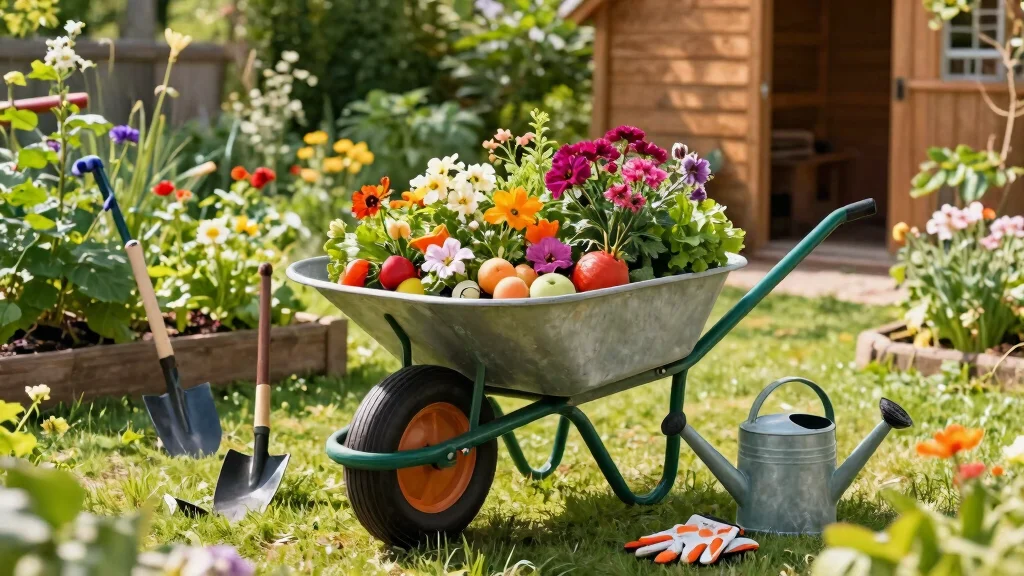
Taking care of your wheelbarrow is crucial, especially if you want it to last through countless gardening adventures. Rust can be a sneaky enemy, slowly eating away at your beloved garden tool. I created this post because I want to help you protect your investment and ensure that your wheelbarrow remains a reliable companion in your gardening tasks.
If you’re a gardening enthusiast or someone who simply enjoys maintaining a beautiful outdoor space, this guide is for you. You care about the tools you use and want them to perform well for years to come. By following these essential wheelbarrow maintenance tips, you’ll not only keep rust at bay but also enhance the overall longevity of your tools.
In this post, I’ve compiled nine straightforward tips that are practical, easy to implement, and ultimately, perfect for anyone who loves gardening. With these tips, you’ll feel empowered to take proactive steps in caring for your wheelbarrow, ensuring it serves you well in every season.
Key Takeaways
– Regular cleaning is essential to remove soil and debris that can lead to rust. Make it a habit to wash your wheelbarrow after each use.
– Inspect your wheelbarrow for any signs of damage or rust spots. Catching these issues early can save you time and money in repairs.
– Applying a rust inhibitor can create a protective barrier against moisture and elements that cause rust. This is a simple yet effective step in your maintenance routine.
– Storing your wheelbarrow in a dry place is key. Avoid leaving it outside exposed to rain or damp conditions, as this accelerates rust formation.
– Using a cover can provide extra protection from the elements. Invest in a durable cover to shield your wheelbarrow from rain and humidity.
1. Regular Cleaning
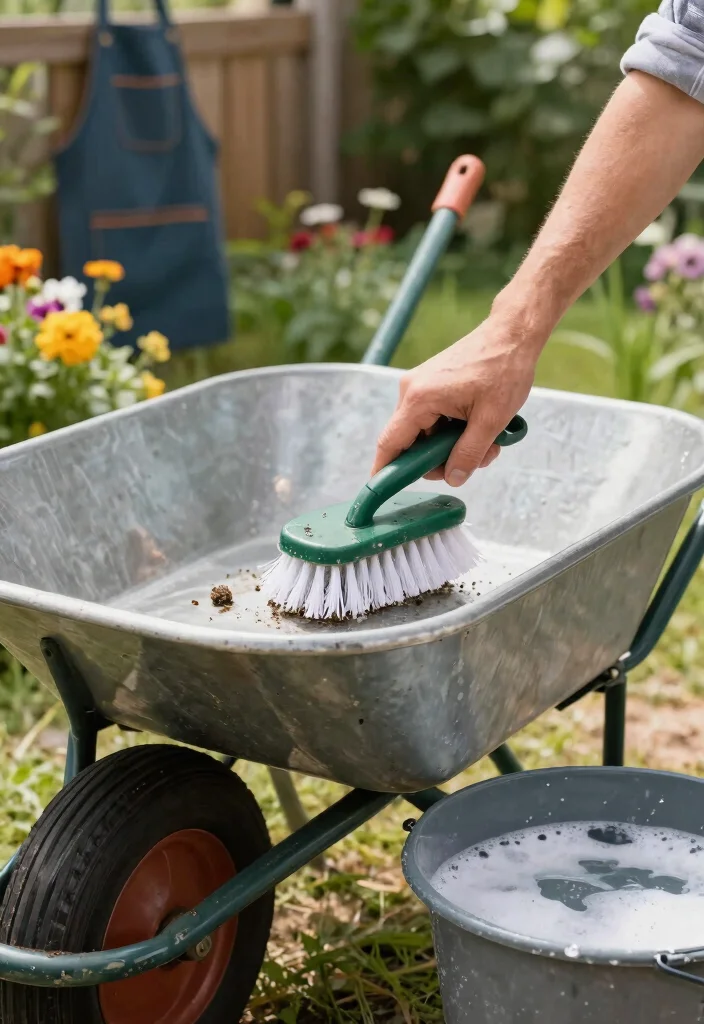
Maintaining a clean wheelbarrow is essential for its longevity. After each gardening session, take a few moments to wipe away dirt, mud, and plant debris. This not only keeps it looking great but also prevents moisture build-up that can lead to rust. Use a soft brush or cloth to clean all surfaces, including the wheels and handles, for thorough maintenance.
For stubborn stains, mix mild detergent with water for an effective solution. Remember to rinse well to eliminate any soap residue afterward. Schedule a deep clean every few months to maintain its pristine condition.
Tip: Always dry your wheelbarrow with a clean towel before storing it in a dry place.
2. Inspect for Damage
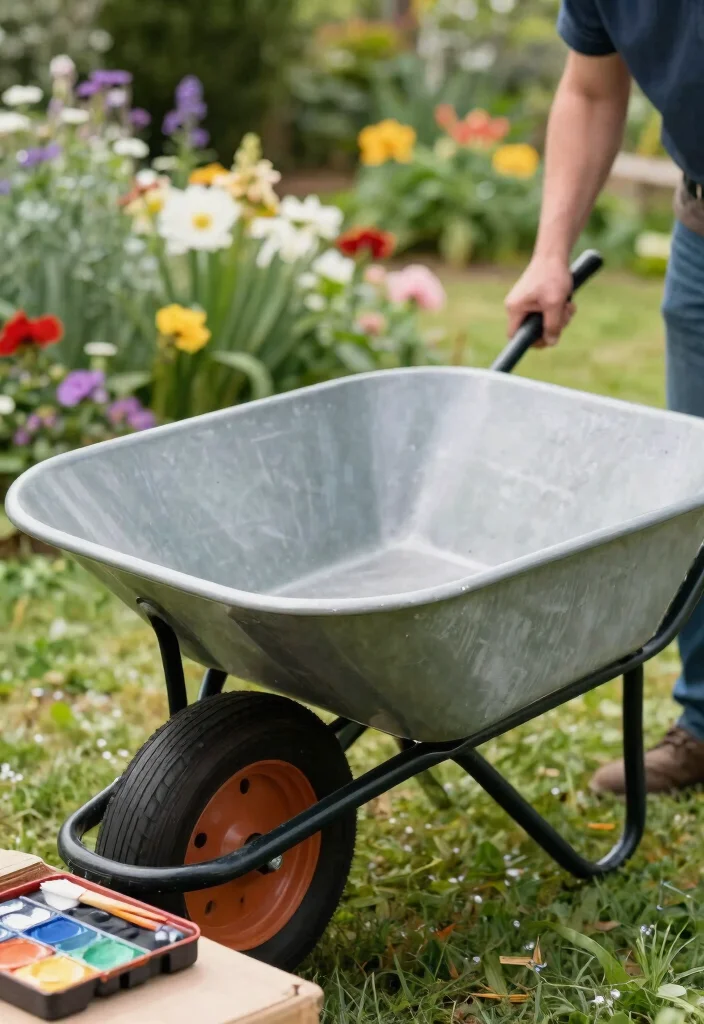
Regular inspections are crucial for spotting potential rust issues. Look for scratches, dents, or signs of wear, especially around welds and joints where moisture can accumulate. If you notice damage, address it quickly to prevent rust from forming. Touching up scratches with outdoor-appropriate metal paint can keep your wheelbarrow in top shape.
Remember: Tackling small damages early is much easier than repairing rusted parts later!
3. Apply Rust Inhibitor
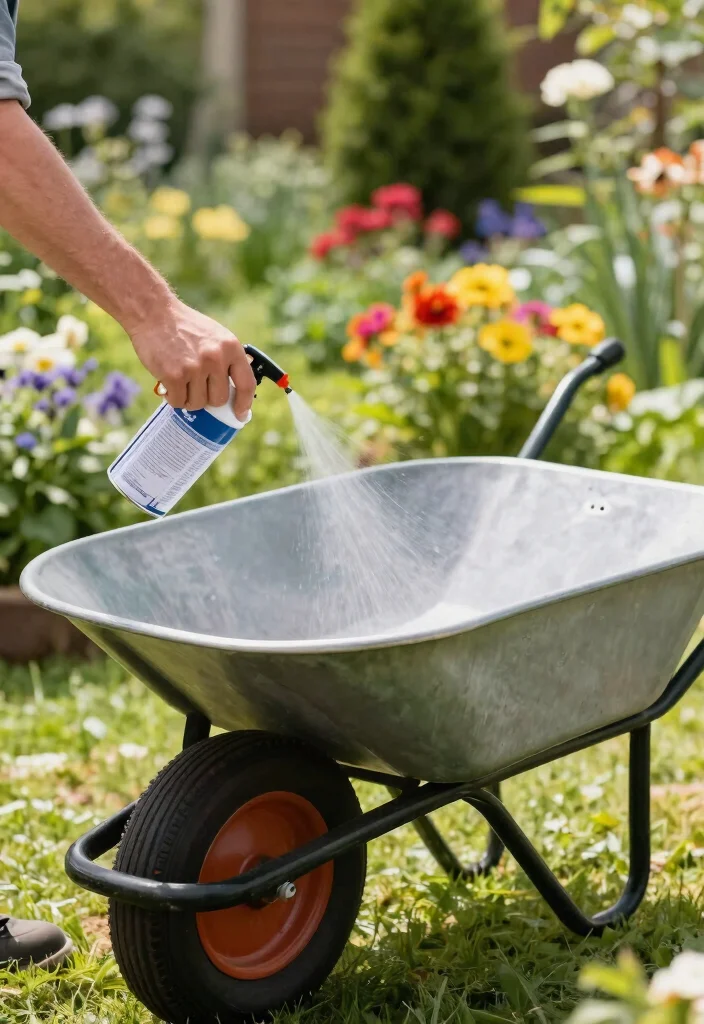
Adding a rust inhibitor is a smart way to protect your wheelbarrow. These products create a barrier that stops moisture from reaching the metal surface. Choose a rust-inhibiting spray or coating designed for outdoor use, and make sure the wheelbarrow is clean and dry before application. This extra layer not only helps prevent rust but also gives your wheelbarrow a polished look.
Tip: Reapply the inhibitor every few months, especially if your wheelbarrow is frequently exposed to wet conditions.
Fun fact: a rust inhibitor can cut rust formation by up to 60% in the first season. Keep your wheelbarrow clean and dry, then apply a coat designed for outdoor use; it’s one of the simplest wheelbarrow maintenance tips you can do.
4. Store in a Dry Place
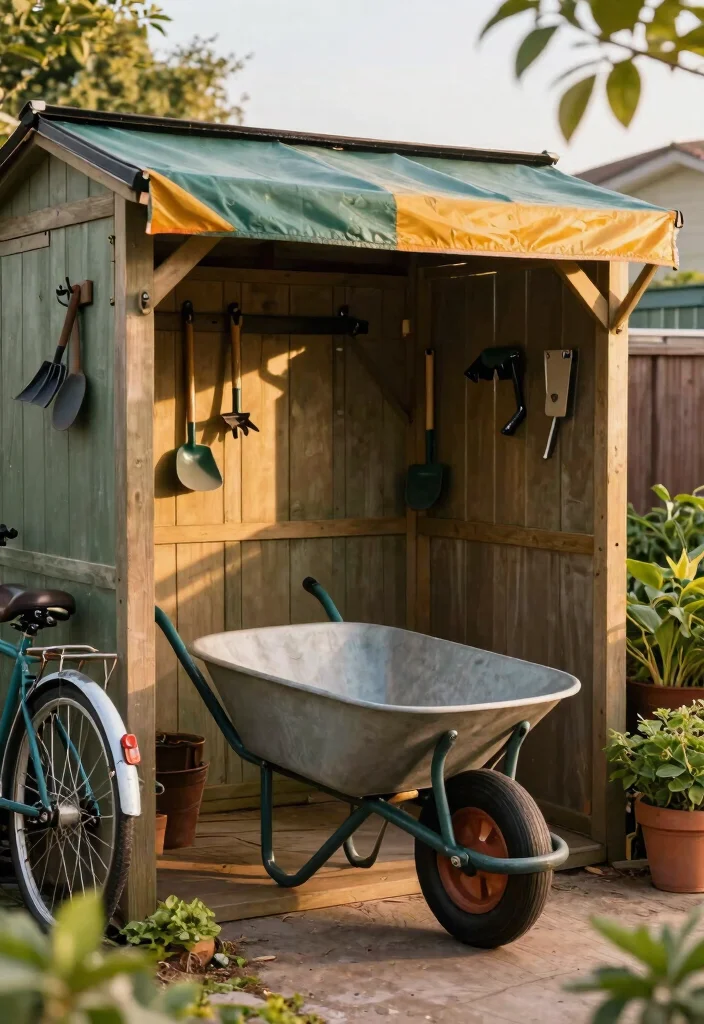
Proper storage plays a vital role in preventing rust. Always keep your wheelbarrow in a dry, sheltered location when not in use, like a garage or shed. If indoor storage isn’t feasible, cover it with a waterproof tarp or canvas. Elevate the wheelbarrow off the ground to avoid moisture contact from soil or grass.
Bonus Tip: Store your wheelbarrow upside down to prevent water from pooling inside!
Fun fact: rust can begin in as little as 24 hours in damp conditions. Storing your wheelbarrow in a dry place and elevating it off the ground are core wheelbarrow maintenance tips that can cut rust risk by up to 70%.
5. Protect the Wheels
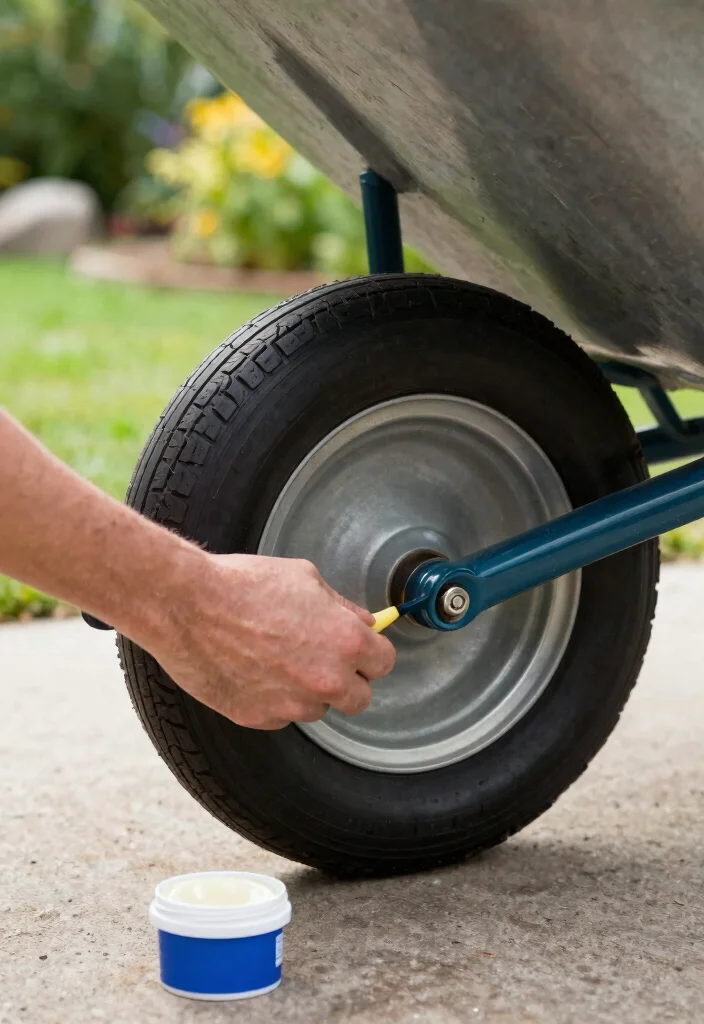
Don’t overlook the wheels! They endure heavy loads and are prone to rust. Regularly examine them for wear, especially around the rims where moisture can collect. Apply a thin layer of grease to the wheel axles to keep water away and prevent rust. Also, check tire pressure; well-inflated tires help distribute weight evenly, reducing stress on the wheels.
Pro Tip: Plastic wheels won’t rust, but replace them when they show signs of wear.
Fun fact: Proper wheelbarrow maintenance tips can save you hours of rust repairs—greasing axles and keeping tires inflated reduces wheel stress by up to 30%. Regular checks around rims prevent moisture buildup and stop rust before it starts.
6. Avoid Using in Wet Conditions
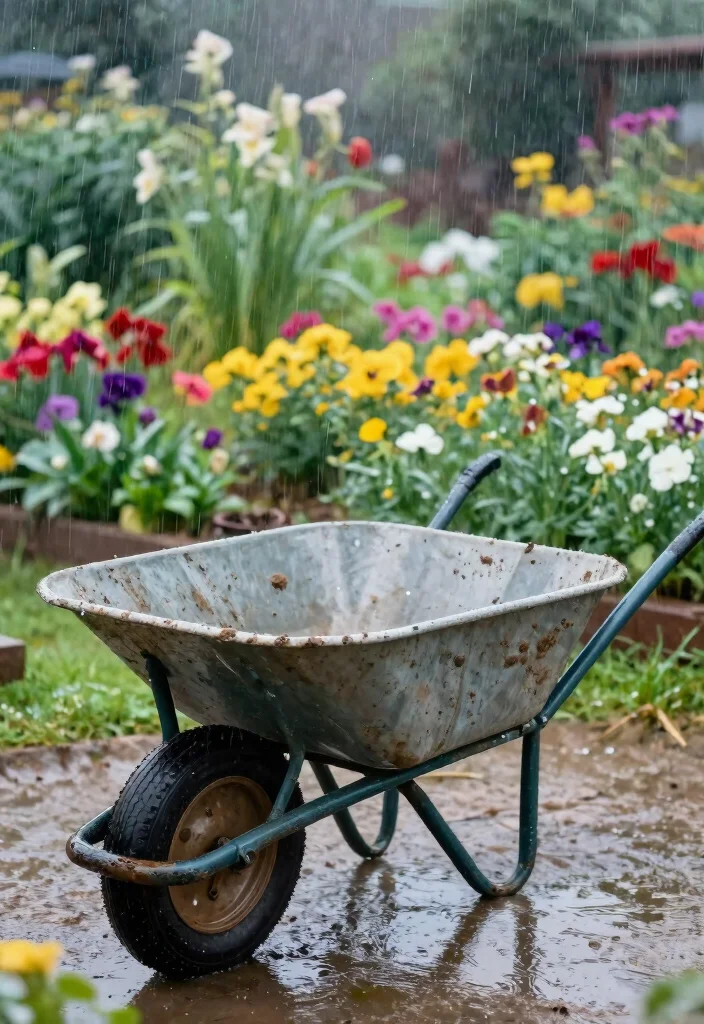
Try to steer clear of using your wheelbarrow in wet conditions whenever possible. Wet soil can cling and make it hard to maneuver, while moisture can cause rust on metal parts. If you have to work in the rain, clean your wheelbarrow immediately afterward. Removing wet soil and drying it off will help keep rust at bay.
Tip: Check the weather forecast before starting major gardening projects to avoid surprises!
Ongoing Maintenance & Care Guide
Maintenance Schedule:
Daily/Weekly Tasks:
– Clean your wheelbarrow after each use. Use soapy water and a sponge to remove dirt and debris. This task takes about 10-15 minutes.
– Inspect for damage, such as cracks or loose parts. This helps catch issues early. Spend around 5 minutes on this.
– Check the tire pressure on pneumatic wheels. Keeping them inflated prevents wear. This check will take about 5 minutes.
Monthly/Seasonal Tasks:
– Deep clean your wheelbarrow at least once a month. Use a pressure washer or scrub it down thoroughly. Allocate 30-45 minutes for a good clean.
– Apply a rust inhibitor to metal parts. This creates a protective barrier. Plan on 15-20 minutes for this task.
– Lubricate wheel bearings and moving parts. Use a lubricant spray to keep everything running smoothly. You’ll need about 10-15 minutes.
– Inspect and tighten all fasteners to ensure everything is secure. This should take around 10-15 minutes.
– Store your wheelbarrow properly for the season, especially in colder months. Make sure it’s clean and dry before storage. This task should take about 10 minutes.
Maintenance Summary Table:
| Task | Frequency | Difficulty | Time Needed |
|—————————|————-|————|—————|
| Clean your wheelbarrow | Daily/Weekly| Easy | 10-15 minutes |
| Inspect for damage | Daily/Weekly| Easy | 5 minutes |
| Check tire pressure | Daily/Weekly| Easy | 5 minutes |
| Deep clean | Monthly | Moderate | 30-45 minutes |
| Apply rust inhibitor | Monthly | Easy | 15-20 minutes |
| Lubricate | Monthly | Easy | 10-15 minutes |
| Inspect and tighten fasteners | Monthly | Easy | 10-15 minutes |
| Proper storage | Seasonal | Easy | 10 minutes |
Common Issues to Watch For:
⚠️ Rust Spots: Look for small brown marks on metal surfaces. This indicates moisture exposure and can lead to larger rust issues if untreated.
⚠️ Wobbly Wheel: If your wheelbarrow wobbles when moving, check the axle and wheel tightness. Loose components can cause further damage.
⚠️ Punctured Tire: If you notice a flat tire or air loss, inspect for punctures. A slow leak can go unnoticed and hinder performance.
⚠️ Cracks in the Body: Inspect the wheelbarrow’s body for cracks. This affects its load capacity and can lead to breakage.
⚠️ Excessive Wear on Tires: If the tread looks worn or the wheel is misaligned, it’s time to replace or realign. Neglecting this can cause unsafe handling.
Care Tips:
💡 Always dry your wheelbarrow after washing it. Moisture can lead to rust. A quick wipe with a clean cloth does wonders!
💡 Use a wheelbarrow cover for outdoor storage. This keeps it shielded from rain and snow, reducing rust risk and prolonging its life.
💡 Keep your wheelbarrow in a sheltered spot. If possible, store it in a garage or shed. This protects it from the elements year-round.
💡 Rotate your wheelbarrow occasionally to evenly distribute wear on the tires. This simple act can enhance performance and extend tire life.
💡 Document your maintenance routine. Keep a checklist of tasks and dates. This helps you stay consistent and catch any missed maintenance.
7. Use a Wheelbarrow Cover
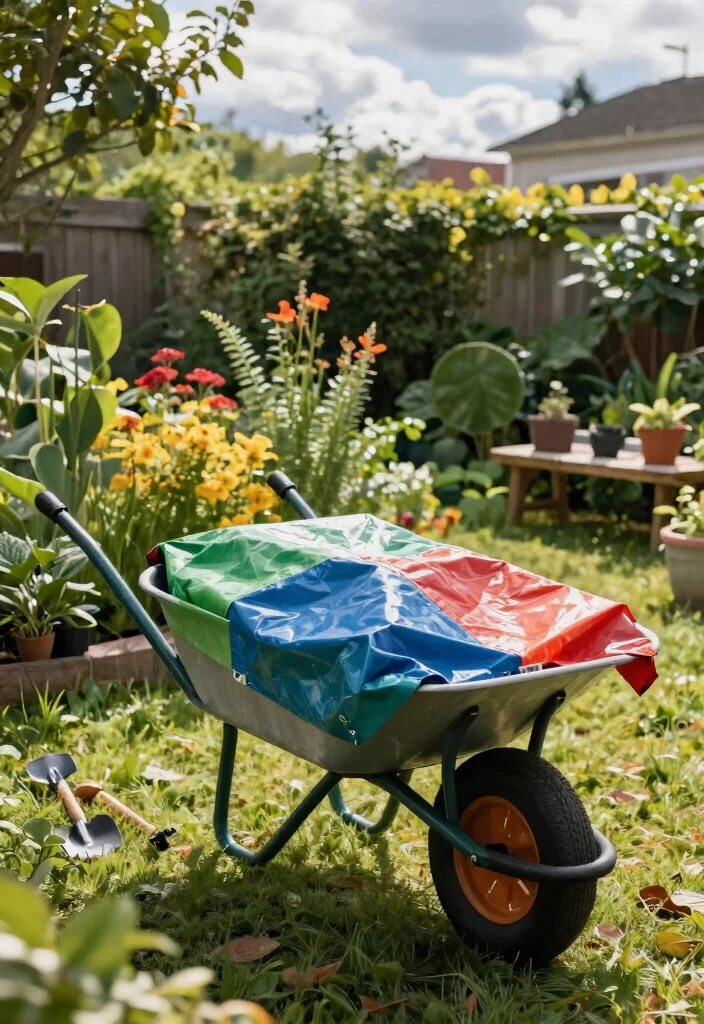
A quality wheelbarrow cover is a smart investment for rust prevention. These covers are typically waterproof and fit snugly, protecting your wheelbarrow from rain, snow, and harmful UV rays. When selecting a cover, opt for breathable materials to prevent moisture buildup inside. Using a cover not only shields your wheelbarrow but also keeps it clean and ready for use.
Nifty Tip: Create your own cover using an old tarp or waterproof fabric for a DIY solution!
8. Regular Lubrication
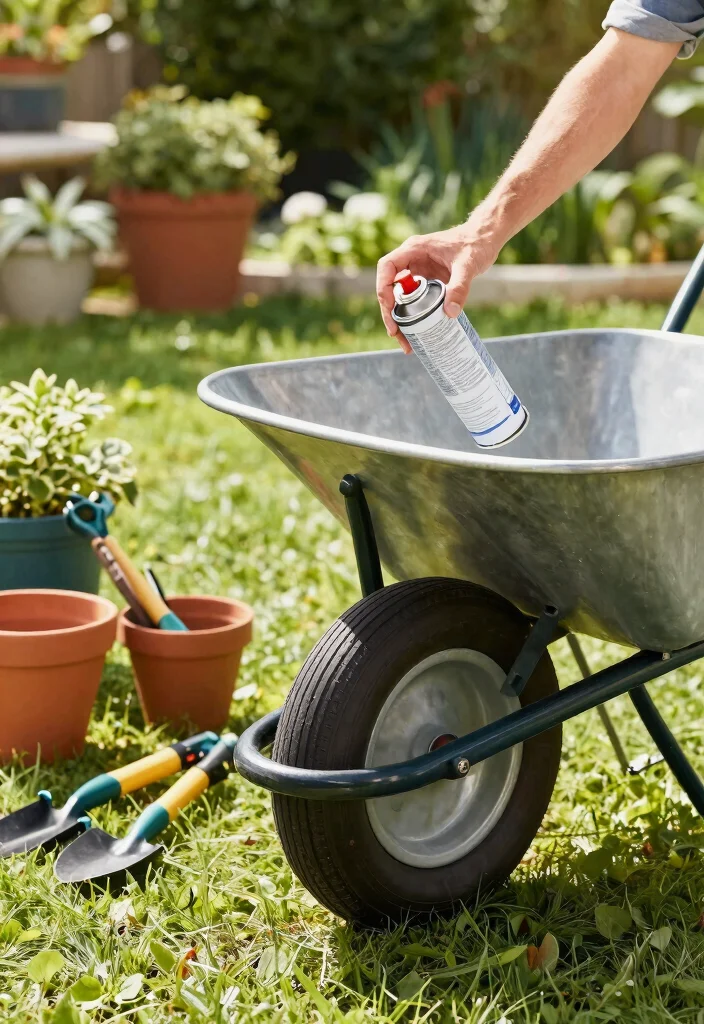
Lubrication is key for smooth operation and rust prevention. Regularly apply lubricant to the wheel axles, handles, and joints to ensure everything moves effortlessly. Choose a waterproof, rust-resistant lubricant suitable for outdoor use. This simple maintenance task not only helps prevent rust but also extends the life of your wheelbarrow.
Quick Tip: Lubricate every few months or more often if you use your wheelbarrow heavily.
9. Document Your Maintenance Routine
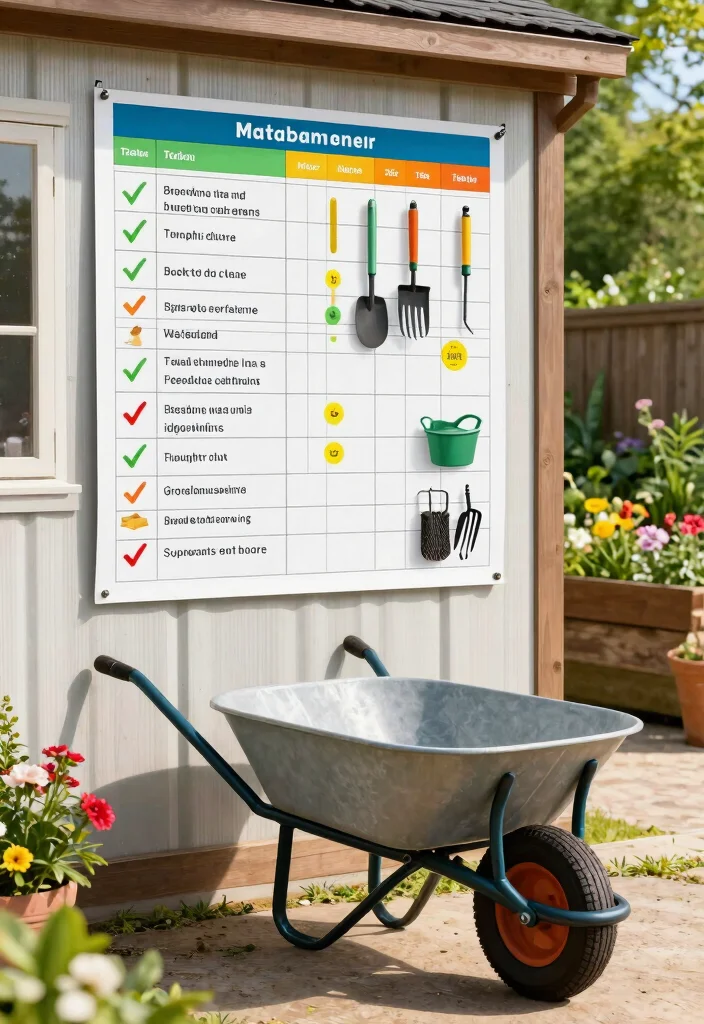
Keeping a record of your maintenance activities helps you stay organized. Create a simple checklist for your wheelbarrow care, noting when to clean, lubricate, and inspect it for damage. This way, you can effectively schedule maintenance and ensure you don’t overlook crucial tasks. Remember, the little things matter in care! Documenting your routine will help you build good habits for all your gardening tools.
Fun Tip: Add stickers or colorful markers to your chart for extra motivation!
Conclusion
Taking care of your wheelbarrow is easier than you think! With these maintenance tips, you can keep rust at bay and ensure your wheelbarrow lasts for many gardening seasons to come. Regular cleaning, inspections, and protective measures will help you maintain your gardening tools in top shape.
So roll up your sleeves and start implementing these tips to enjoy a seamless gardening experience!
Note: We aim to provide accurate product links, but some may occasionally expire or become unavailable. If this happens, please search directly on Amazon for the product or a suitable alternative.
This post contains Amazon affiliate links, meaning we may earn a small commission if you purchase through our links, at no extra cost to you.
Frequently Asked Questions
What are the essential wheelbarrow maintenance tips to prevent rust?
These wheelbarrow maintenance tips will help you prevent rust and extend lifespan. First, do wheelbarrow cleaning after every use to remove soil, fertilizer, and moisture. Then dry the metal completely to stop water from corroding it. Next, look for rust spots and scrub them away with a wire brush; for small areas, apply a rust converter to neutralize remaining rust. Finish with a coat of rust prevention paint or enamel to seal the surface. Don’t forget to lubricate moving parts to cut moisture intrusion and wear. Store the wheelbarrow off the ground in a dry spot under a breathable cover to keep it sheltered from rain. Regularly touch up chipped paint so bare metal isn’t exposed. If you’re building a routine, this belongs in garden tools maintenance and outdoor equipment upkeep as part of wheelbarrow care.
How often should I perform wheelbarrow care and rust prevention?
Keep it simple: after each use, perform wheelbarrow cleaning and dry it completely. Then do a quick weekly check for rust spots or chipped paint to catch problems early. Do a more thorough wheelbarrow care session monthly or seasonally: touch up paint, reapply a rust prevention coating, and lubricate moving parts. Before storing for winter or extended outdoor use, give it a final wipe-down and apply a thin protective layer. This routine is a key part of wheelbarrow care and outdoor equipment upkeep, and it helps with rust prevention.
What should I do if my wheelbarrow already has rust?
First, assess the severity. For light surface rust, scrub with a wire brush or sandpaper until clean metal shows. For stubborn spots, apply a rust remover or converter, then rinse and dry. Prime and paint with a rust‑resistant enamel. Check for structural issues like deep pitting or holes; if the frame is compromised, replace or reinforce it. After treatment, maintain with wheelbarrow cleaning and garden tools maintenance to prevent reoccurrence.
What storage tips help prevent rust on outdoor wheelbarrows?
Keep the wheelbarrow in a dry, sheltered spot and elevate it off the damp ground on pallets or a rack. Use a breathable cover to protect from rain and dust. If you store it indoors, ensure good ventilation or add a dehumidifier or silica gel packs in the storage area. Clean before storing and recheck any painted surfaces. This approach fits into wheelbarrow care and outdoor equipment upkeep to lengthen life and prevent rust.
Are there differences in rust prevention for metal vs plastic wheelbarrows?
Yes. For metal wheelbarrows (steel or iron), rust prevention is essential: keep dry, apply protective coatings, and touch up chips as soon as they appear. Galvanized or stainless models resist rust more, but still benefit from regular garden tools maintenance. For plastic wheelbarrows, rust isn’t a concern, but the frame or handles may be metal; in those cases, treat the metal parts with light protective coatings and inspect for cracks from UV exposure. Regular cleaning and proper storage are part of wheelbarrow care and outdoor equipment upkeep to ensure longevity.

![15 Beautiful Water Fountain Planter Garden Ideas [Must See]](https://homception.com/wp-content/uploads/2026/04/15-Beautiful-Water-Fountain-Planter-Garden-Ideas-Must-See-150x150.webp)