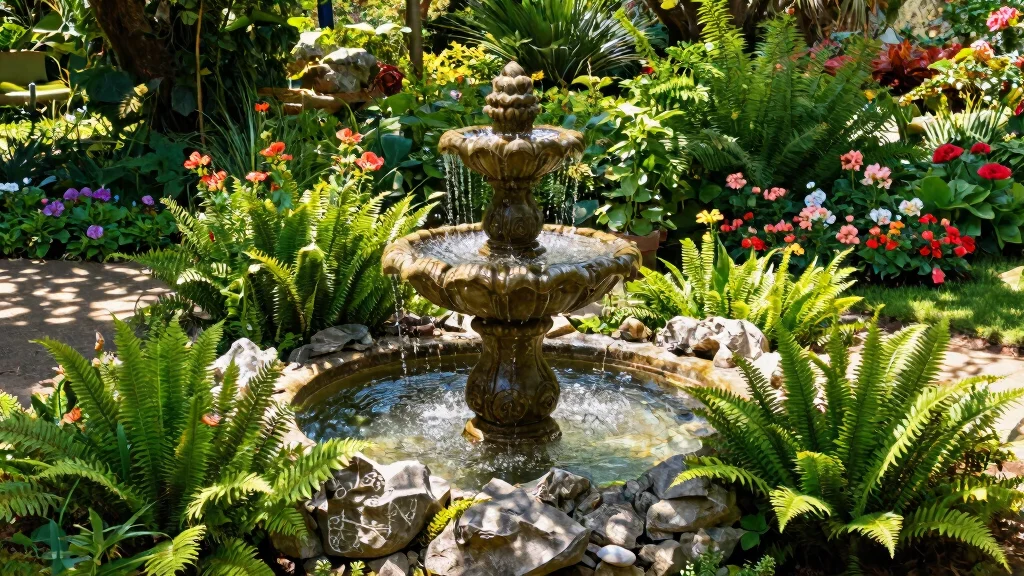
Water features like fountains can add a serene touch to your garden, creating a peaceful atmosphere and enticing wildlife. However, maintaining clean and clear water in these features can often feel overwhelming. That’s why I put together this guide. Whether you’re a seasoned gardener or a newbie, having a sparkling fountain is not just about aesthetics; it’s about ensuring a healthy environment for both plants and animals that visit your garden.
If you love outdoor spaces and are keen on keeping your fountain in top shape, this post is tailored for you. You’ll find nine essential water fountain maintenance tips that are easy to follow, practical, and designed to help you achieve crystal-clear water. These tips will not only enhance the beauty of your outdoor oasis but also extend the life of your fountain.
By the end of this guide, you’ll feel empowered with actionable insights to keep your fountain looking its best. From cleaning techniques to water clarity maintenance and seasonal upkeep, you’ll have everything you need to make your garden fountain a stunning centerpiece. Let’s dive into these essential water fountain maintenance tips!
Key Takeaways
– Regular Cleaning Schedule: Keep your fountain clean by establishing a weekly cleaning routine, using gentle materials to prevent damage.
– Monitor Water Levels: Check water levels regularly, especially during hot weather, to ensure your fountain functions properly.
– Choose the Right Location: Place your fountain in a suitable spot, avoiding direct sunlight, which can lead to algae growth and water evaporation.
– Protecting in Winter: Winterize your fountain by draining it and storing the pump indoors to prevent damage during freezing temperatures.
– Use Quality Water: Always opt for filtered or dechlorinated water to enhance clarity and reduce the need for frequent cleaning.
1. Regular Cleaning Schedule
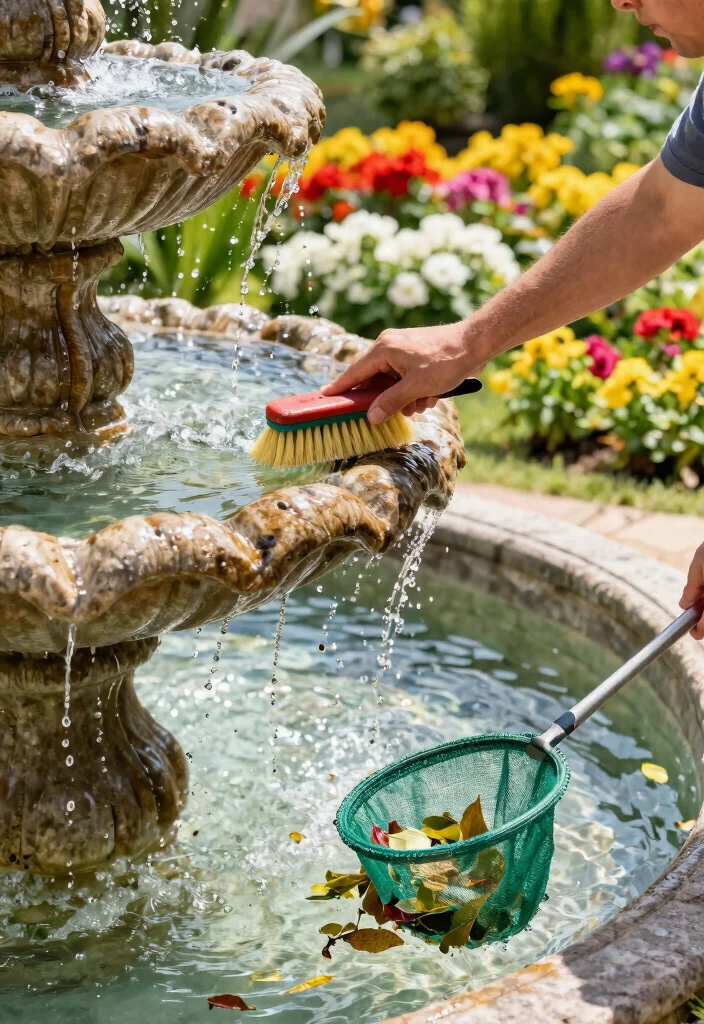
Your fountain is a beautiful centerpiece, but it needs care to shine. Regular cleaning helps prevent algae and keeps the water crystal clear. Set a consistent cleaning schedule to make this task easier. Aim for a quick weekly clean and a thorough monthly scrub.
During your weekly routine, remove any leaves and debris that have settled on the surface. Monthly, empty the fountain, scrub it with a soft brush, and rinse it well. Avoid harsh chemicals that can harm surrounding plants; opt for natural cleaners instead.
Key cleaning tasks include:
– Remove debris weekly
– Scrub with a gentle brush monthly
– Rinse thoroughly to avoid buildup
Regular maintenance ensures your fountain remains an inviting feature in your garden, enhancing its overall beauty.
❝ Did you know regular cleaning reduces algae by up to 40% in outdoor water features? When you schedule a quick weekly wipe and a thorough monthly scrub, you’re following proven water fountain maintenance tips that keep crystal-clear water without harsh chemicals.
2. Monitor Water Levels
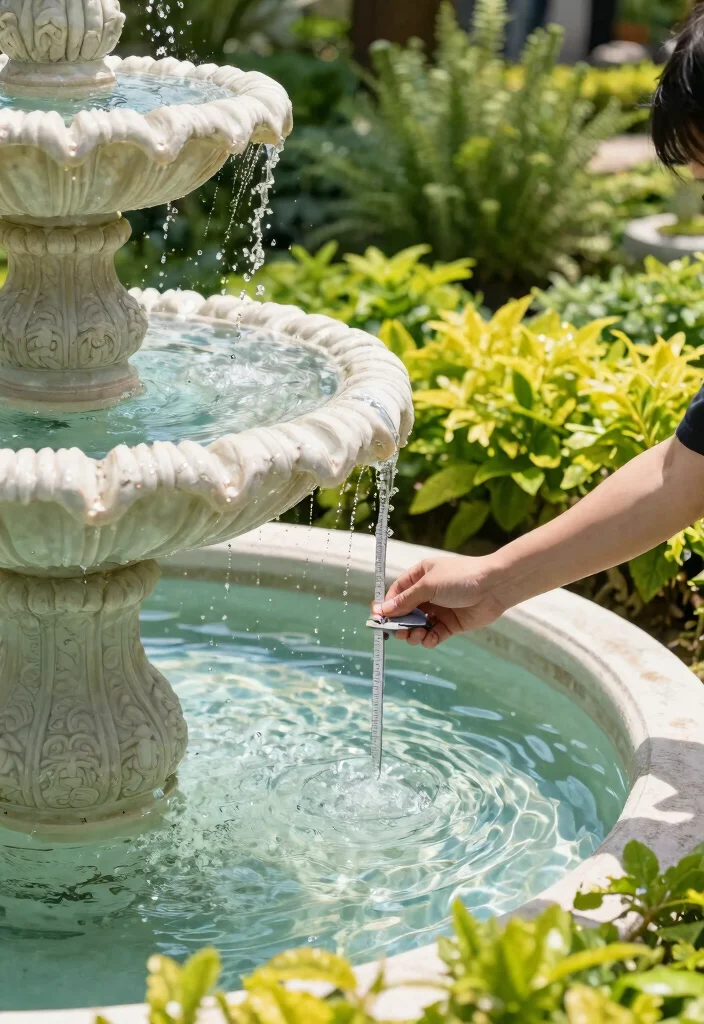
Keeping your fountain’s water levels in check is essential for its health. Evaporation can lower water levels quickly, especially in hot weather, leading to pump damage. Make it a daily habit to check the water, especially when temperatures rise.
In addition to topping off the water, think about using a water conditioner to prevent algae growth. If you see dramatic drops in water, investigate for leaks or splashes caused by the pump. An auto-fill feature can help maintain consistent water levels with less effort.
Tips for managing water levels:
– Check daily during hot weather
– Use a water conditioner to prevent algae
– Look for leaks or splashes
By keeping the water levels stable, you ensure a peaceful atmosphere in your garden while protecting your fountain’s functionality.
3. Choose the Right Location
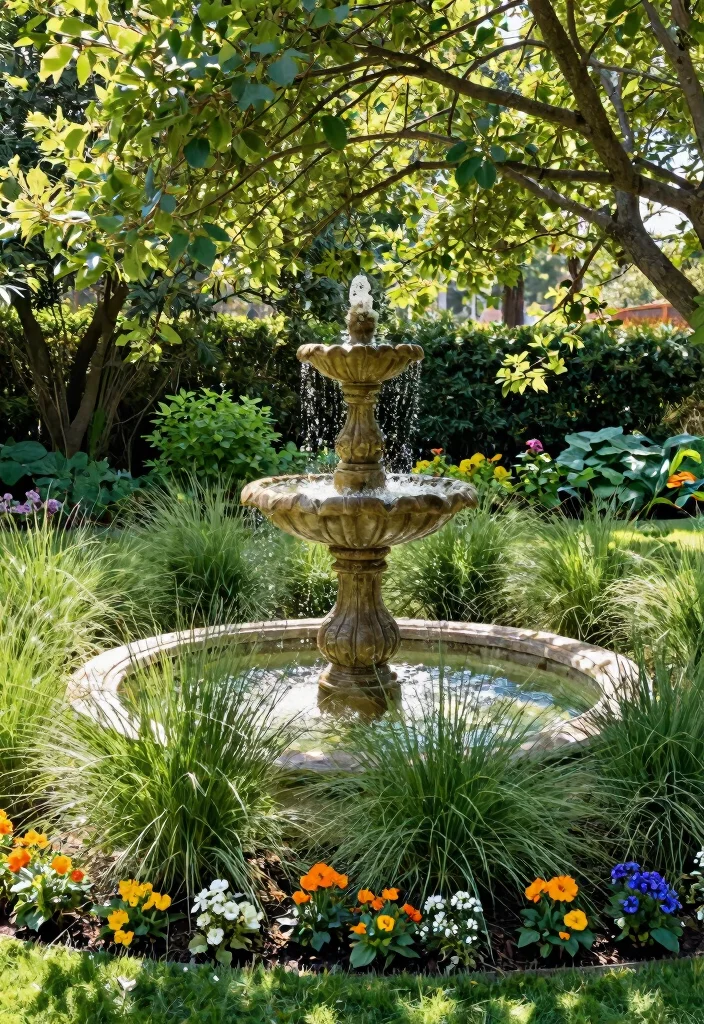
The location of your fountain plays a huge role in its upkeep. Ideally, place it in a shaded area to limit algae growth, while ensuring it still gets some sunlight for aeration. Keep it away from overhanging trees to reduce debris buildup.
Consider how the fountain complements your garden’s design. A well-placed fountain can serve as a stunning focal point, enhancing the beauty of your outdoor space. Look for a spot that minimizes debris while integrating seamlessly with your landscape.
Choosing the right location involves:
– Placing it in partial shade
– Avoiding trees that drop leaves
– Ensuring it fits the garden design
Finding an ideal spot reduces maintenance and adds charm to your garden oasis.
4. Protecting in Winter
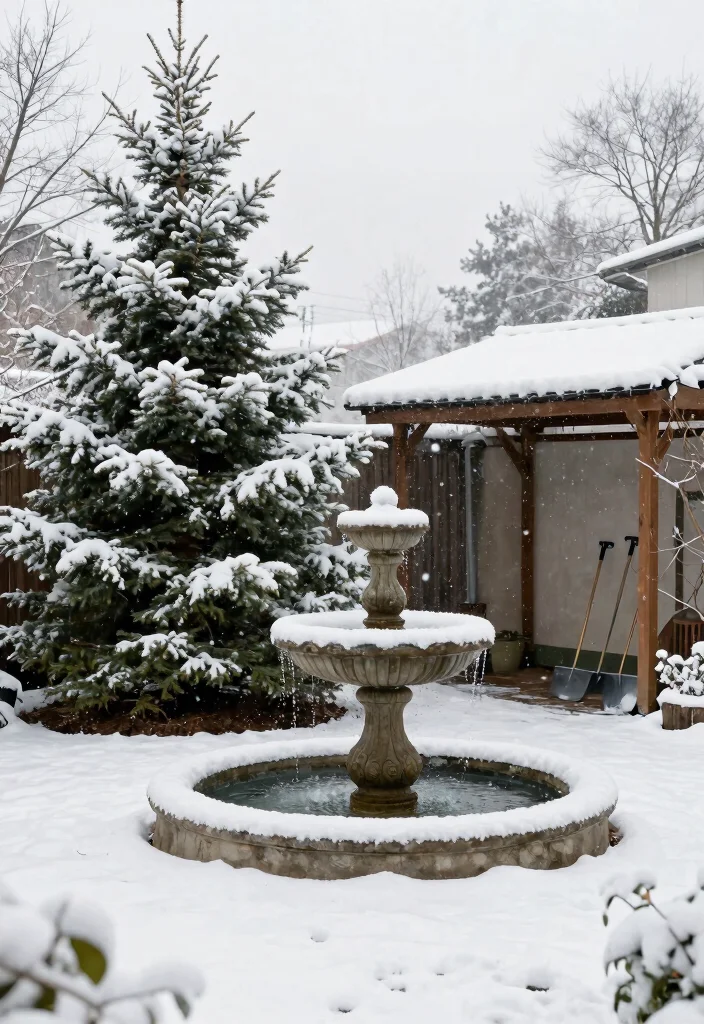
Winter can be harsh on outdoor fountains, but you can protect yours with some simple steps. If you face freezing temperatures, drain your fountain completely before winter to prevent damage from ice expansion.
For smaller fountains, consider storing them indoors or covering them with a waterproof tarp. Don’t forget to remove the pump and keep it dry to avoid frost damage. Taking these precautions saves you from costly repairs while preserving your fountain’s beauty.
Key winter protection steps:
– Drain the fountain completely
– Store smaller fountains indoors
– Remove and protect the pump
Planning for winter keeps your fountain safe and ready for spring enjoyment.
❝ Fun fact: Ice expands up to 9% in volume, and unattended fountains pay the price. Follow simple water fountain maintenance tips—drain completely, cover smaller fountains, and keep the pump dry. It saves cold-weather headaches and costly repairs. ❞
5. Use Quality Water
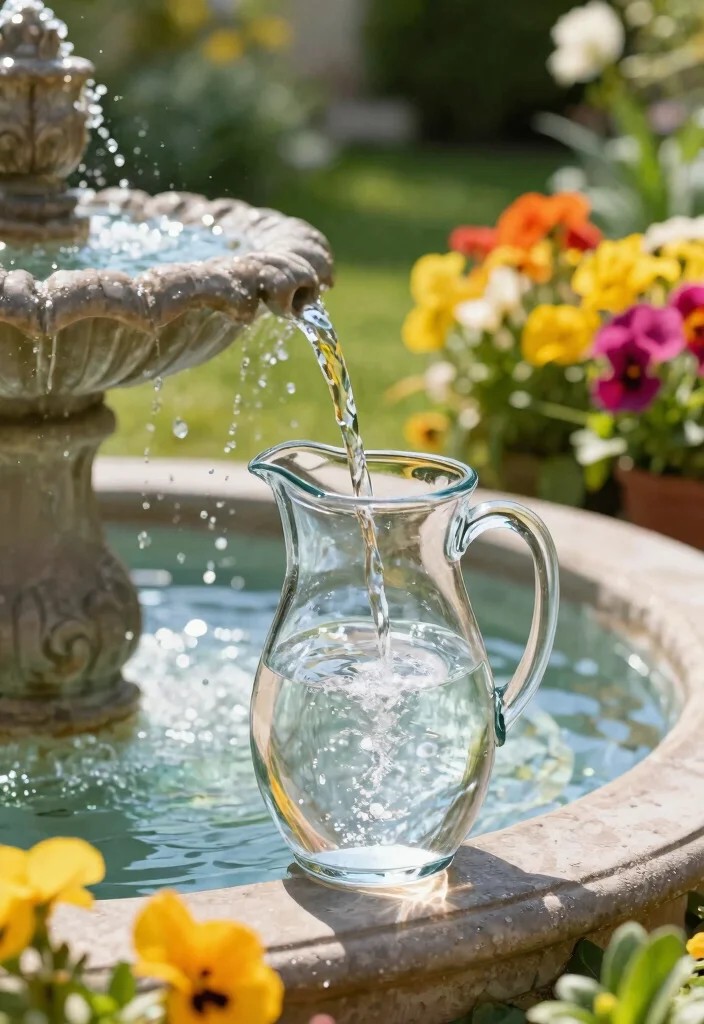
The water quality in your fountain is crucial for its upkeep. Tap water can contain chemicals like chlorine, leading to cloudy water and increased algae. Instead, opt for distilled water or rainwater, which lacks these additives.
If tap water is your only option, let it sit for 24 hours to allow chlorine to dissipate. Consider installing a filtration system to enhance water clarity, which reduces cleaning frequency. Prioritizing quality water helps maintain your fountain’s beauty and longevity.
Tips for using quality water:
– Use distilled or rainwater when possible
– Let tap water sit before use
– Install a filtration system for clarity
By choosing the right water, you ensure your fountain remains vibrant and clear.
6. Check Pump Functionality
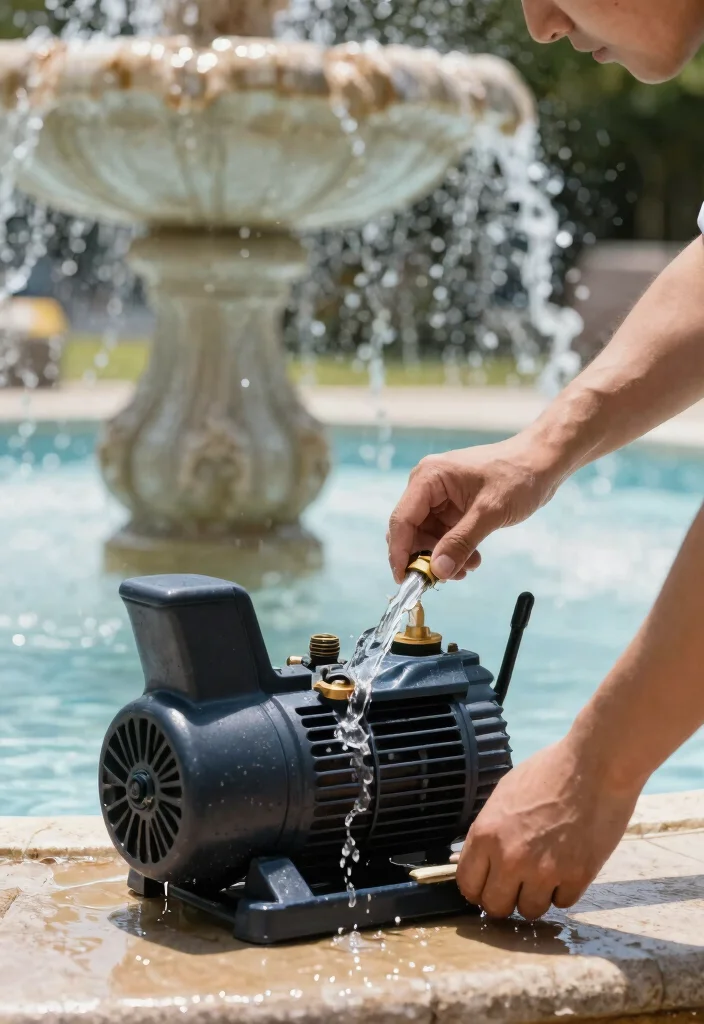
Your fountain’s pump is essential for keeping the water flowing and clear. Regularly check its functionality to ensure it’s working properly. Listen for unusual sounds that could indicate a blockage or motor issue.
Cleaning the pump every few weeks is crucial. Remove any debris that could restrict its performance. If you notice a drop in water flow, it’s time to give the pump some attention. When replacing a pump, make sure it fits your fountain’s specifications.
Essential pump maintenance tasks:
– Check functionality regularly
– Listen for unusual sounds
– Clean debris every few weeks
By monitoring your pump, you maintain both the fountain’s operation and the beauty of your outdoor space.
Did you know that cleaning the pump every 2–3 weeks can boost flow by up to 30%? Following practical water fountain maintenance tips keeps your fountain quiet and debris-free, saving you time and avoiding costly motor issues.
7. Introduce Natural Cleaners

While chemical cleaners may seem effective, natural alternatives can clean your fountain without harming the environment. Ingredients like vinegar and baking soda work wonders for removing grime and algae.
Try mixing equal parts vinegar and water for an effective cleaning solution. Baking soda can also be a gentle abrasive to lift dirt. Enhance the scent with lemon juice or essential oils, but ensure these won’t disturb local wildlife.
Natural cleaning methods include:
– Mix vinegar and water for cleaning
– Use baking soda as a gentle scrub
– Add lemon juice for freshness
Using natural cleaners helps keep your fountain pristine while supporting a healthy ecosystem.
8. Seasonal Fountain Tips

Each season brings different maintenance needs for your fountain. In spring, increase cleaning frequency to combat algae growth as temperatures rise. Check the pump and clean filters that may have clogged over winter.
During summer, closely monitor water levels due to evaporation. In fall, be vigilant about collecting leaves and debris to prevent clogs. Prepare for winter by draining and covering your fountain.
Seasonal maintenance tips:
– Clean more often in spring
– Monitor water in summer
– Clear debris in fall
By adjusting your care routine with the seasons, you ensure your fountain remains a stunning feature throughout the year.
9. Engage with Nature
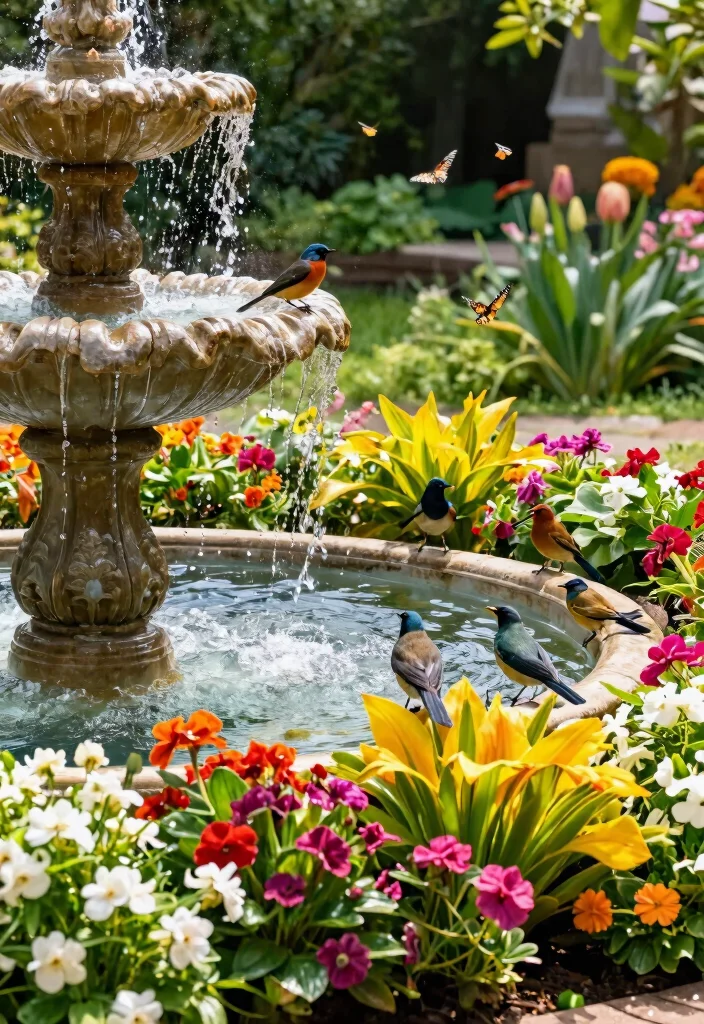
Your garden fountain is more than just decoration; it invites nature into your space. Keep it clean and fresh to attract wildlife. Birds love to bathe, and nearby plants can offer them shelter and food.
Consider adding aquatic plants to your fountain. Varieties like water lilies not only beautify but also help filter the water naturally. Engaging with nature through your fountain creates a lively centerpiece in your garden.
Ways to connect with nature:
– Keep the fountain clean for wildlife
– Add aquatic plants for filtration
– Create a welcoming habitat for birds
Embracing nature enhances your outdoor experience, making your garden a vibrant ecosystem.
Ongoing Maintenance & Care Guide
Maintenance Schedule:
Daily/Weekly Tasks:
– Check Water Levels: Ensure the water level is adequate to keep the pump submerged. This task takes about 5 minutes.
– Remove Debris: Clear out leaves or other debris from the fountain surface to maintain water clarity. This usually takes 10 minutes.
– Inspect Pump and Filter: Look for any visible signs of blockage or wear on the pump and filter. Take about 10 minutes for this check.
Monthly/Seasonal Tasks:
– Clean Fountain Surfaces: Use a soft brush and mild soap to clean the fountain. This task can take 30-45 minutes.
– Change Water: Replace the water to maintain freshness and reduce algae growth. Allow about 15 minutes for this.
– Test Water Chemistry: Test the pH and chlorine levels to ensure balanced water quality. This may take 20 minutes.
– Inspect for Cracks: Look for any visible cracks or leaks in the fountain structure. Give yourself 10-15 minutes for a thorough check.
– Adjust Pump Settings: If the water flow is too high or low, adjust the pump settings accordingly. This typically takes 5 minutes.
Maintenance Summary Table:
| Task | Frequency | Difficulty | Time Needed |
|—————————–|——————|——————|————-|
| Check Water Levels | Daily | Easy | 5 mins |
| Remove Debris | Daily | Easy | 10 mins |
| Inspect Pump and Filter | Weekly | Medium | 10 mins |
| Clean Fountain Surfaces | Monthly | Medium | 30-45 mins |
| Change Water | Monthly | Easy | 15 mins |
| Test Water Chemistry | Monthly | Medium | 20 mins |
| Inspect for Cracks | Monthly | Easy | 10-15 mins |
| Adjust Pump Settings | Monthly | Easy | 5 mins |
Common Issues to Watch For:
⚠️ Algae Growth: If the water appears green or cloudy, it indicates algae growth. You may need to clean and change the water.
⚠️ Noisy Pump: If your fountain’s pump is making unusual sounds, it might be blocked or failing. Check for debris or consider replacing it.
⚠️ Water Overflow: If water is spilling over the sides, it could mean the pump is set too high. Adjust the pump settings to resolve this.
Care Tips:
💡 Use Quality Water: Tap water may contain minerals that cause buildup. Consider using distilled water to maintain clarity.
💡 Introduce Natural Cleaners: Adding a few drops of white vinegar can help keep the water fresh and prevent algae.
💡 Provide Shade: If possible, place your fountain in a shaded area to reduce algae growth and keep the water cooler.
💡 Regularly Engage with Your Fountain: Enjoying the fountain helps you notice any changes or issues that may arise, keeping it well-maintained.
💡 Seasonal Cover: In winter, use a cover to protect your fountain from ice and debris. This can save you from extensive repairs come spring.
With these ongoing maintenance tips, your water fountain will remain a clean and refreshing feature in your garden. Regular checks and minor adjustments go a long way in ensuring longevity and beauty. Happy fountain caring!
Conclusion
Maintaining your outdoor water fountain doesn’t have to feel overwhelming. By following these essential tips and incorporating a bit of regular care, you can ensure your fountain remains a stunning centerpiece in your garden.
Whether it’s through seasonal adjustments, natural cleaning methods, or keeping an eye on water levels, these simple practices can significantly enhance the longevity and beauty of your water feature. Embrace the tranquility that your well-maintained fountain brings, and enjoy the delightful atmosphere it creates in your outdoor space.
Note: We aim to provide accurate product links, but some may occasionally expire or become unavailable. If this happens, please search directly on Amazon for the product or a suitable alternative.
This post contains Amazon affiliate links, meaning we may earn a small commission if you purchase through our links, at no extra cost to you.
Frequently Asked Questions
How often should I perform water fountain maintenance to keep water clear?
For best results, rely on a steady routine as part of your water fountain maintenance tips. Do a quick 5-minute weekly check to inspect the water level, pump, and visible debris. Schedule a deeper clean every 2–4 weeks during warm months and adjust in cooler seasons when activity slows. During deep cleans, unplug the unit, remove gunk, scrub surfaces with a soft brush, and refresh 10–25% of the water to support water clarity maintenance. Don’t forget to clean filters as part of pond fountain upkeep and to tackle leaves or debris from nearby plants as part of garden fountain care.
What are easy fountain cleaning techniques for outdoor garden fountains?
Great question. Here are simple fountain cleaning techniques you can use in under 30 minutes: unplug and drain if needed, skim out leaves and debris with a net, scrub the pump housing and surfaces with a soft brush, rinse well, and refill with clean water. For mineral deposits, use a mild solution like diluted white vinegar and water and let it soak briefly before scrubbing. Avoid harsh chemicals near plants or wildlife. Regular cleaning is a cornerstone of garden fountain care and water fountain maintenance tips.
How can I maintain water clarity in a pond fountain as seasons change?
Seasonal shifts affect algae, debris, and evaporation, so tune your routine accordingly. In warm months, keep water moving with the pump, provide shade to limit algae growth, skim debris daily, and top up water to compensate evaporation. Add beneficial bacteria to support water clarity maintenance and consider a UV clarifier if you have one. In cooler shoulder seasons, reduce filtration load but stay proactive with quick checks. Winterize by draining or storing the pump if needed and protect the feature from freezing. Consistency is key for good pond fountain upkeep and seasonal fountain tips.
What should I include in a seasonal fountain care routine for outdoor water features?
Here’s a practical seasonal plan: Spring — remove winter debris, inspect the pump and tubing, clean surfaces, and balance water chemistry. Summer — monitor evaporation, keep the water flowing, skim daily, clean filters, and consider light shading to reduce algae. Fall — remove fallen leaves, install a cover when appropriate, and prepare for winter by addressing hoses and fittings. Winter — drain or winterize the pump, store equipment indoors if possible, and keep a minimal water level to prevent damage. Tailor these steps into your seasonal fountain tips to maintain smooth water fountain maintenance tips year-round.
How can I troubleshoot common issues like algae, sediment, and clogged pumps in water fountains?
Start with a quick diagnosis: algae growth, sediment buildup, or a clogged pump each require a targeted fix. For algae, boost water movement, reduce direct sun exposure, and use beneficial bacteria or a safe algaecide if needed while monitoring plants. For sediment, scrub surfaces and the pump housing, then replace a portion of the water and check mineral content. For a clogged pump, unplug the unit, inspect the intake screen, remove any debris with a skewer or brush, and check hoses for blockages. Regular checks support garden fountain care and keep your water fountain maintenance tips on track.

![15 Beautiful Water Fountain Planter Garden Ideas [Must See]](https://homception.com/wp-content/uploads/2026/04/15-Beautiful-Water-Fountain-Planter-Garden-Ideas-Must-See-150x150.webp)